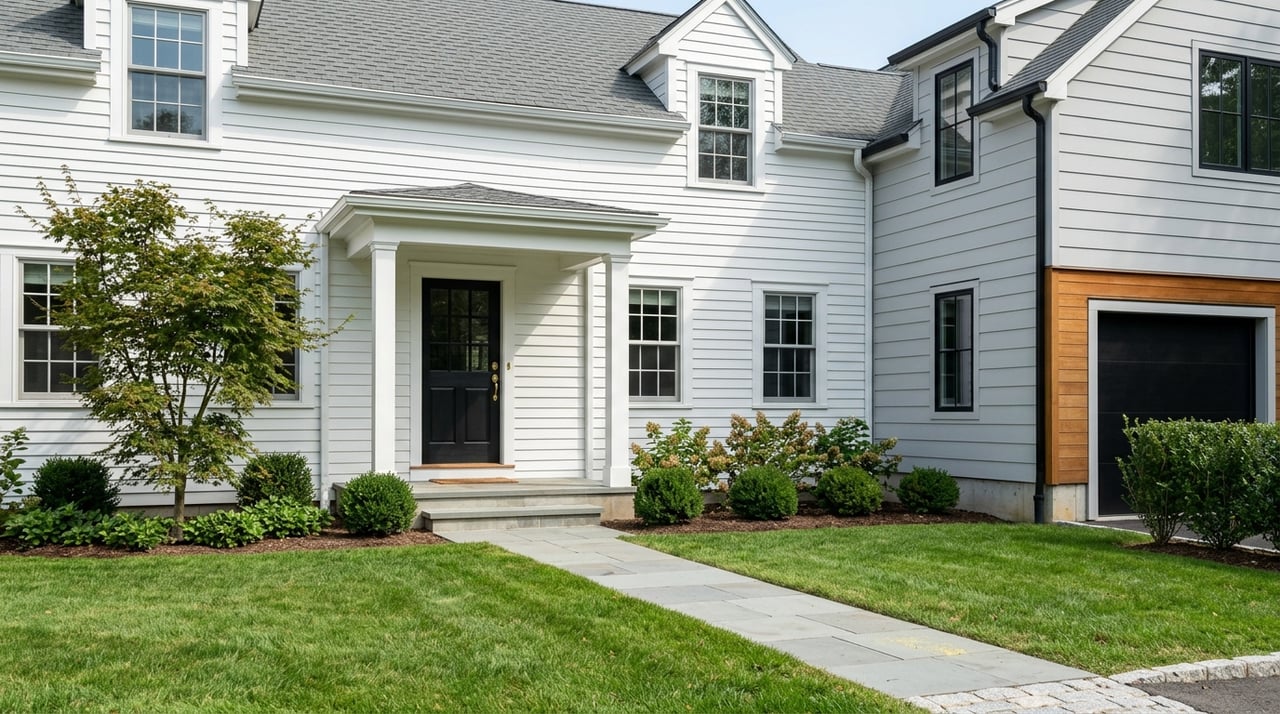
Wellesley New Construction vs Colonial: How to Decide
Wellesley
Wellesley
Trying to choose between new construction and a classic Colonial in Wellesley? You are not alone. In this market, that decision often shapes your budget, your day-to-day lifestyle, and how much work you may take on after closing. The good news is that each path can make sense if it matches how you want to live, what you value most, and how long you plan to stay. Let’s dive in.
In Wellesley, this is a very local question, not just a style preference. The town remains a predominantly single-family market, with about 82% of its 9,428 housing units made up of detached homes. That means buyers here are often comparing one single-family option against another, rather than choosing between very different housing types.
The age of the housing stock makes the decision even more important. Wellesley’s June 2025 Strategic Housing Plan draft says most homes were built before 1960, 35% were built in 1939 or earlier, and only about 12% of the current housing stock was built since 2010. So when you shop in Wellesley, you are often weighing older original homes against newer rebuilds or recent construction.
That distinction matters because many “new” homes in town are not brand-new additions to the housing supply. The town notes that from 2003 to 2025, single-family stock grew by just 95 homes, even though assessor records show more than 1,200 single-family homes were built during that period. In practical terms, that suggests many of those homes were teardown and rebuild projects.
In Wellesley, new construction often means a newly built home on an existing lot. It may replace an older house, especially in neighborhoods where lot size, layout potential, and market demand support redevelopment. Even larger lots are not automatically insulated from that trend, since the town says about 30% of demolitions over the prior five years happened on lots larger than half an acre.
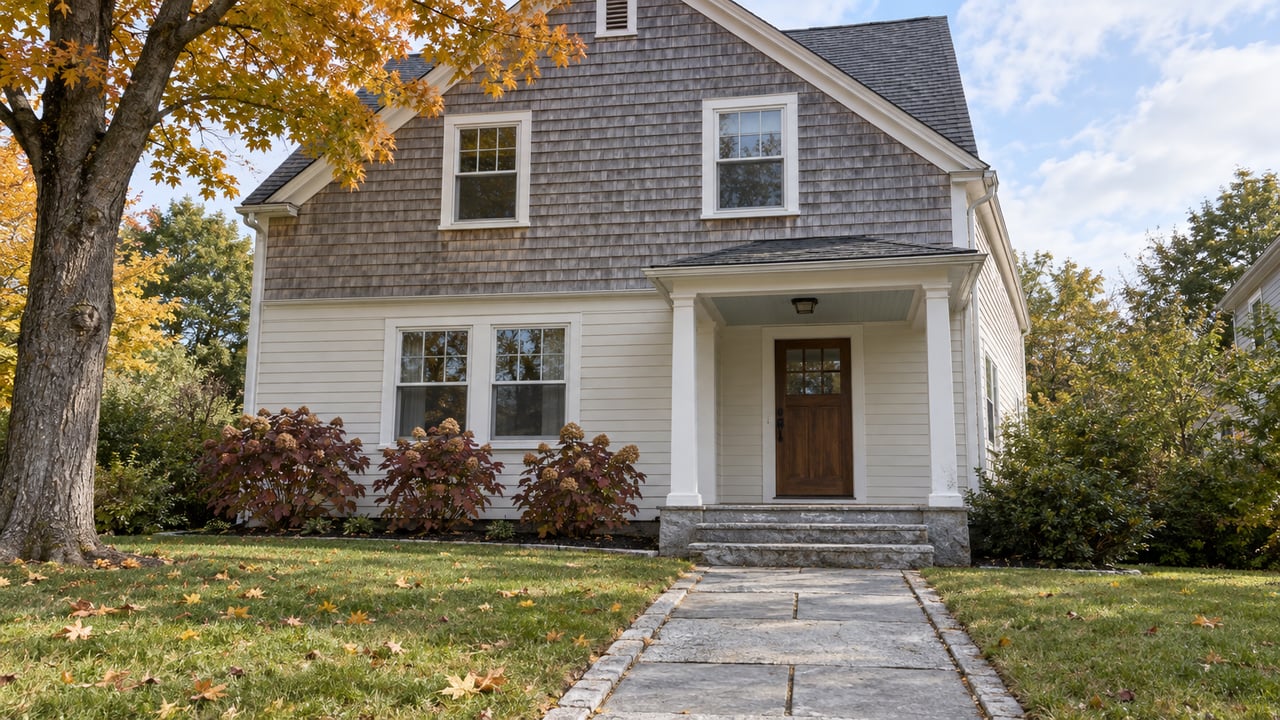
That is why the real comparison is often less about architecture alone and more about brand-new or rebuilt versus older original stock. A house may look like a traditional Colonial from the outside but still offer an almost entirely modern interior. For buyers, that creates more nuance than a simple old-versus-new debate.
Current public listing data shows both options are active in Wellesley, though neither is plentiful. Recent public listing data shows 17 new homes for sale in Wellesley, while the town’s vintage-home segment showed 31 vintage homes plus 1 early-access listing. The same vintage data reflected a median listing price of $2.33 million and a typical market time of 37 days, while broader public market data showed a May 2026 median sale price of $1,998,804.
A few examples help ground the price spread. A 2025 new-construction home at 365 Worcester Street sold in June 2026 for $2.8 million and was described as a 7-bedroom, 7.5-bath home with about 7,000 square feet on a 0.54-acre lot. On the other end, 24 College Road, a 1947 center-entrance Colonial, has been listed at $1,350,000 with 3 bedrooms, 2 baths, 1,884 square feet, and a 0.35-acre lot.
There is also a middle ground. A rebuilt-and-expanded Colonial like 10 Kirkland Circle, originally older in form but updated much more recently, can blend classic curb appeal with more modern living. That type of home often appeals to buyers who want character without taking on a full renovation project.
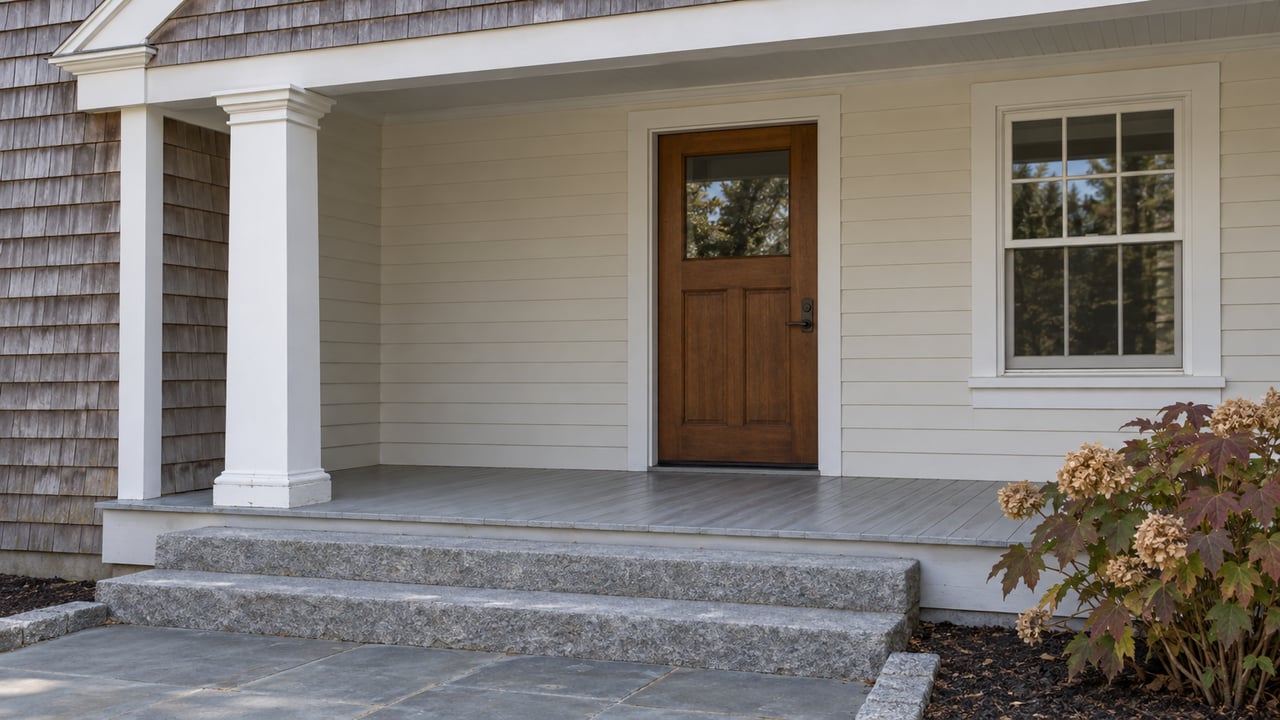
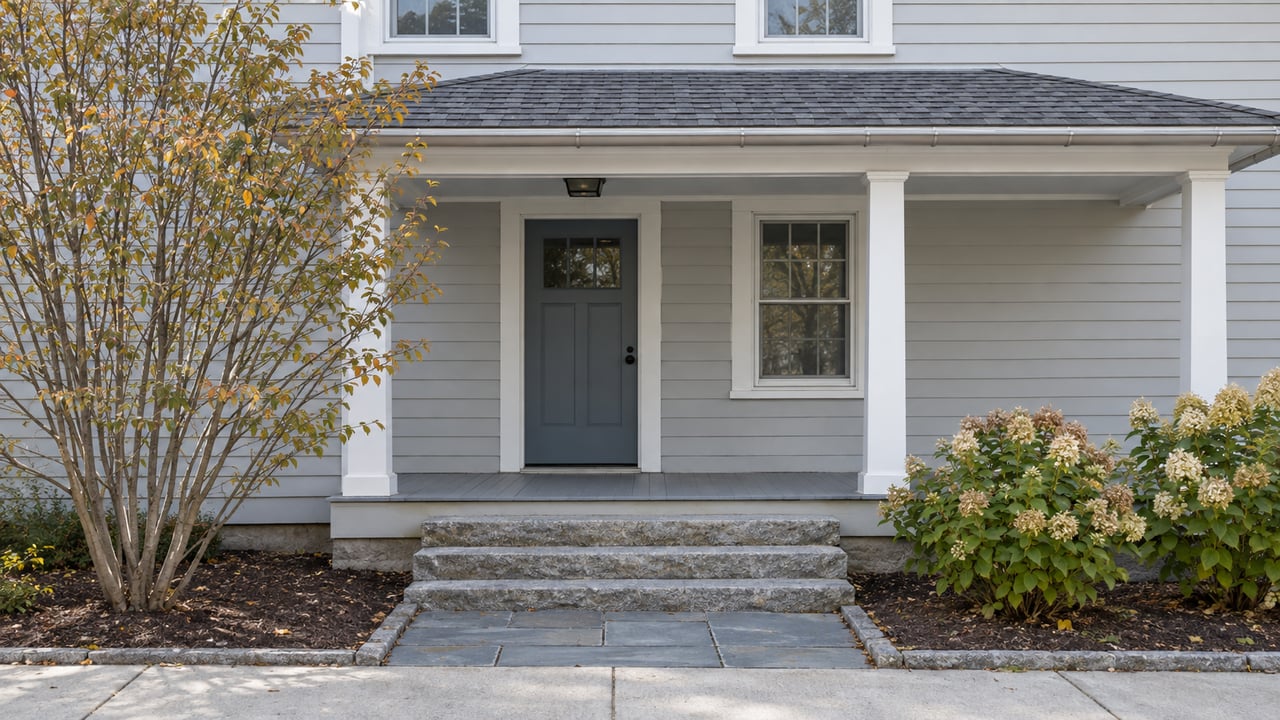
If your priority is ease, new construction may feel like the simpler path. In Wellesley, newer homes often feature open kitchens, larger family rooms, primary suites, en-suite secondary bedrooms, mudrooms, offices, and finished lower levels. These layouts are designed for how many buyers want to live now, with more flow, more flexible space, and fewer immediate updates.
Listing examples in town often highlight features like chef’s kitchens, vaulted ceilings, private offices, and lower levels that can support a gym, media room, or general flex space. The sold example at 365 Worcester Street even included a first-floor in-law suite along with gym and media areas. If you want a home that feels ready on day one, these features can carry real value.
A newer build can also mean fewer near-term system replacements. Wellesley states that it adopted the Massachusetts Stretch Energy Code in 2011, and the town says that code applies to new residential buildings as well as renovations and additions. While every home is different, a newer code-compliant build often offers a more predictable maintenance outlook in the first years of ownership.
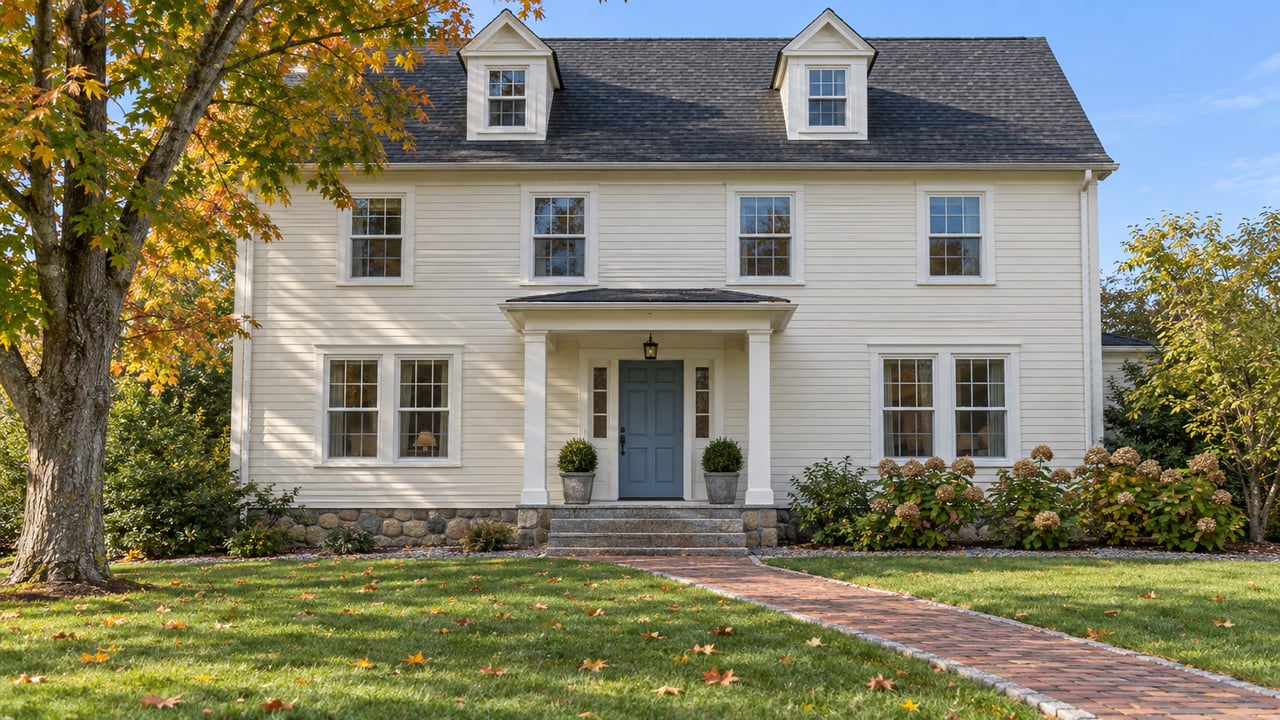
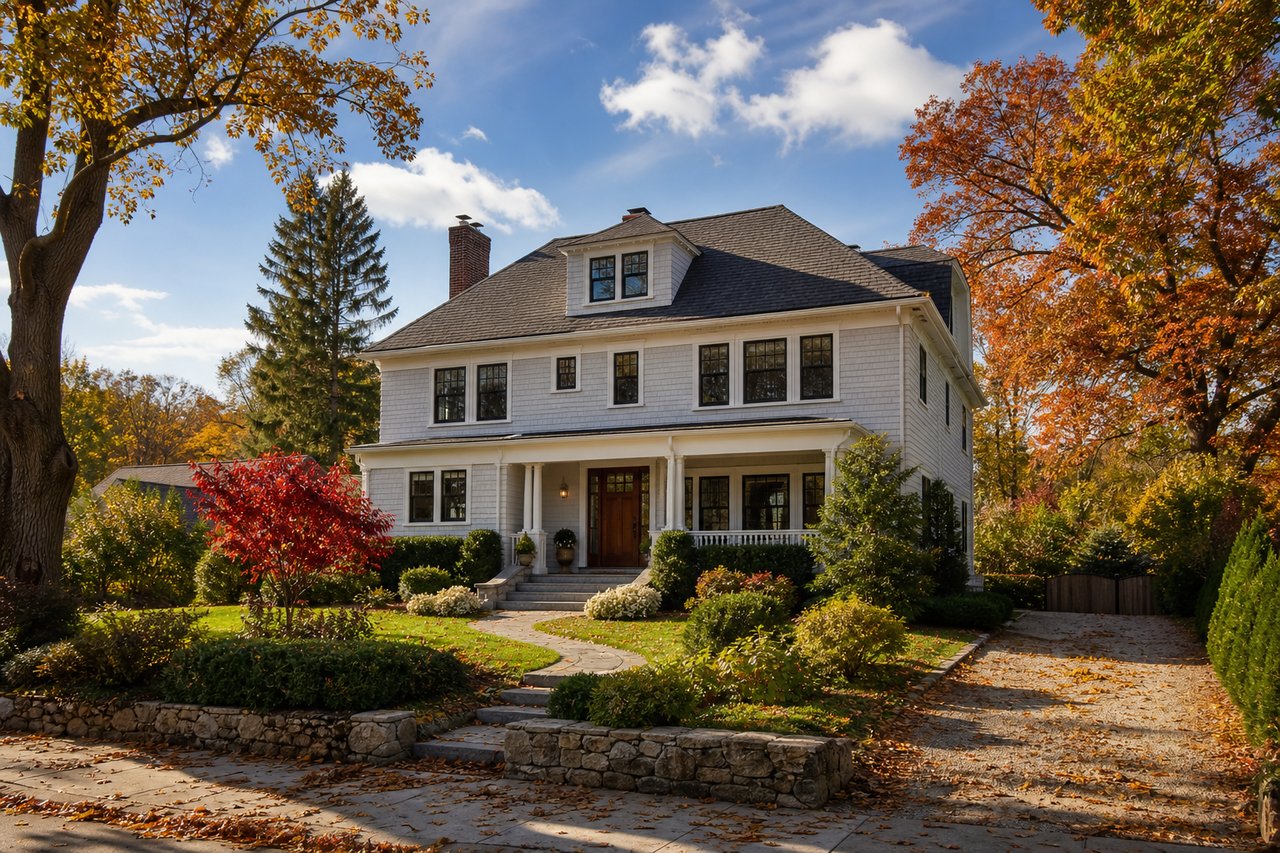
If you are drawn to traditional architecture, a classic Colonial may be the right fit. In Wellesley, these homes often preserve center-hall layouts, more distinct room separation, and details that create a more formal, established feel. For some buyers, that sense of character is hard to replicate.
The listing for 24 College Road is a useful example of what this category can offer. It highlights a center-entrance layout, hardwood floors, a wood-burning fireplace, formal dining and family room space, and a partially finished lower level. For buyers who prefer defined rooms over a fully open plan, that kind of layout can feel both functional and timeless.
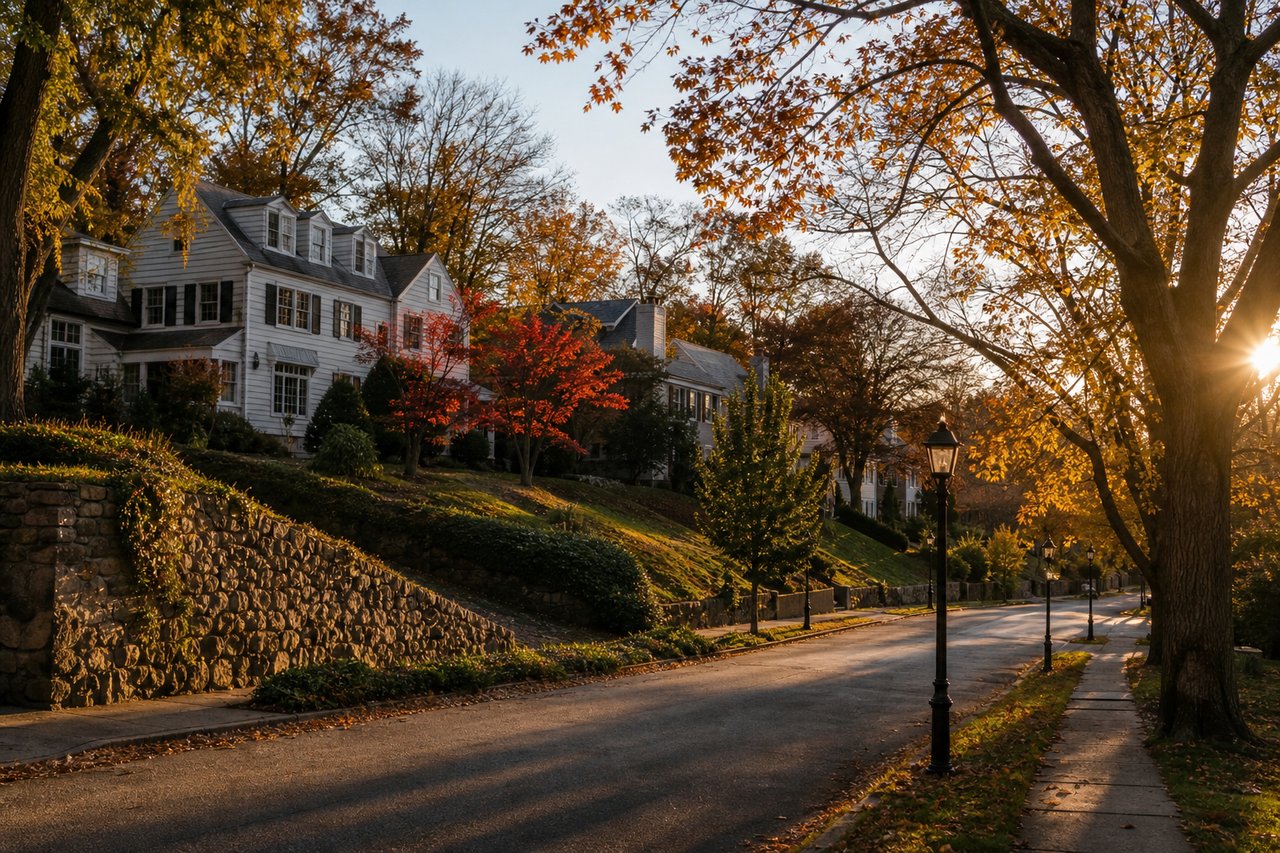
Older Colonials can also sit within mature streetscapes and established landscaping. If you love the feeling of a home that has grown into its lot and setting over time, an original house may speak to you more than a fully rebuilt one. That emotional fit matters, especially if you are buying for the long term.
One of the best ways to decide is to picture an ordinary Tuesday, not just a holiday gathering. How do you cook, work, relax, and store everyday items? The answer often points you toward either a newer layout or a more traditional one.
New construction usually favors open sight lines, larger kitchen islands, and easier flow between major gathering spaces. That can be especially appealing if you entertain often, work from home, or want flexible lower-level space built into the house from the start. It tends to support a more casual, modern routine.
Classic Colonials often create clearer separation between rooms. Some buyers love that because it provides privacy, quieter work areas, and a traditional rhythm to the home. Others may see it as something to update over time.
In Wellesley, lot size is not just a line item on a listing sheet. It affects outdoor usability, privacy, and whether future additions or major changes may be practical. Comparing examples makes this clear: 24 College Road sits on about 0.35 acres, while 365 Worcester Street sits on about 0.54 acres.
A larger lot does not guarantee that redevelopment is the best move, but it can create more options. At the same time, Wellesley’s local review rules matter. The town’s Large House Review applies to new one-unit dwellings and major additions in certain districts when homes exceed district-specific thresholds ranging from 3,600 to 7,200 square feet, and the review looks at issues such as building scale, landscape preservation, lighting, open space, drainage, and circulation.
That means if you are buying an older Colonial with future plans in mind, it helps to think beyond the house itself. The lot, zoning framework, and review process may all shape what is realistic later.
A beautiful older home can still come with a longer to-do list. In general, older Colonials may require staggered updates over time, whether that means insulation, air sealing, windows, roofing, or mechanical systems. By contrast, newer homes often begin with fewer immediate replacement needs.
For older homes, Mass Save points homeowners toward insulation, air sealing, window upgrades, and home energy assessments as key retrofit options. That gives buyers a path to improve performance, but it still requires planning and budget. If energy efficiency is one of your top priorities, ask yourself whether you want to manage those upgrades or start with a newer build.
The difference shows up in listings, too. Some older homes are marketed with major improvements already completed, while others are simply well maintained and more original in condition. A renovated Colonial can be a strong compromise if you want classic architecture with fewer system concerns.
Both home types can perform well in Wellesley, but they often appeal to different priorities. New-construction buyers are usually looking for turnkey condition, generous entertaining space, and minimal short-term projects. Classic-Colonial buyers often place more value on architectural detail, established settings, and the opportunity to personalize over time.
In Wellesley, older homes can also carry redevelopment potential, depending on location, lot, and condition. The town’s demolition delay bylaw can slow the removal of buildings constructed before December 31, 1949 for up to 12 months. That does not make one option better than the other, but it does mean the long-term path for an older property may deserve extra thought.
When you think about resale, it helps to ask a simple question: Will the next buyer value the same thing I value here? If the answer is yes, you are usually looking in the right direction.
If you are still torn, use this short framework:
The right answer is rarely about what is objectively “better.” It is about what fits your routine, your budget, and your comfort with updates.
If you are weighing Wellesley new construction against a classic Colonial, the most helpful next step is to compare a few homes side by side with a clear lens on layout, condition, lot, and long-term cost. The right guidance can make that decision much easier. If you want thoughtful, data-driven help evaluating your options in Wellesley and nearby suburbs, connect with the Batya & Alex Team.
Newton
Brookline
Selling a Home
Brookline
Newton
Newton
Our team will elevate your real estate experience, ensuring sellers shine and buyers win in Greater Boston's competitive market. Our dedication goes beyond deals—we're about making dreams a reality, building lasting bonds, and turning complex market challenges into rewarding outcomes for every client.