
Boston Condo 6D Certificate Closing Timing for 2026
For years, the Massachusetts 6D certificate was the last item on the closing checklist and the least interesting one. In the 2026 Boston condo market, it has quietly become the item most likely to move your closing date. Softer pricing, longer days on market, and lender windows that shrank while nobody was watching have turned a routine attestation into a scheduling problem that catches even experienced sellers off guard.
The 6D is no longer a formality you request two weeks before closing. It is a live document with an expiration date shorter than the average time a downtown condo now spends under agreement.
A 6D certificate is a signed and notarized statement from the condominium trustees (or the property manager acting for them) confirming what a specific unit owes the association as of a specific date. The name comes from Section 6(d) of Chapter 183A of the Massachusetts General Laws, the state's condominium act. The mechanism it protects is the association's "super lien": under Chapter 183A, the first six months of unpaid common expenses take priority over the lender's first mortgage. That single sentence is why no Boston lender will fund a condo purchase without a clean, current 6D in the file. Without it, the bank's first-position collateral is not actually first.
Two things changed in the last twelve months, and they compound each other.
The first is the market. The Greater Boston Association of REALTORS reported condo days on market at 51 in April 2026, up 18.5% year over year, and the Q1 2026 median condo price in the Boston area fell 3.7% to $505,000. Redfin's three-month median for the city sat at $852,000 through May 2026, with Zillow's home value index at $779,777 as of June 2026. On the list side, live MLS data through June 2026 shows roughly 6.9 months of supply and 2,860 active listings citywide. Freddie Mac's 30-year fixed averaged 6.47% on June 18, 2026. The composite picture is a condo segment where deals take longer to close and buyers have leverage to renegotiate if something slips.
The second is the shrinking lender window. Many Boston lenders now treat a 6D as current only if it is dated within 30 days of closing, and some ask for 10 to 14 days, or as of the closing date itself. When a deal that used to move from accepted offer to funded loan in 30 days now stretches to 45 or 60, the 6D you ordered at the start of the process is stale before the wire hits.
That is the thesis of this piece. In 2026, the 6D is not a paperwork step. It is a timing instrument, and it fails most often in exactly the buildings that make downtown Boston worth living in.
The building type predicts the risk more than the price point does. A rough field guide:
| Building type | Typical 6D turnaround | Practical risk |
|---|---|---|
| Large professionally managed high-rise (Back Bay, Seaport, Financial District) | 3 to 10 business days, rush service often available | Low, but rush fees add up if the closing date drifts |
| Mid-size professionally managed brownstone or elevator building | 5 to 10 business days | Moderate; watch for capital project votes |
| Small self-managed brownstone (Beacon Hill, South End, Bay Village) | 1 to 3 weeks | High; often requires locating a trustee who has a day job |
| Two- or three-unit self-declared condominium | Highly variable | Highest; sometimes requires appointing a trustee before the certificate can even be signed |
Fees range from about $75 to several hundred dollars, with expedited service priced higher. Who pays depends on the purchase and sale agreement and on lender practice; sellers commonly cover the base certificate, while lenders often pass a rush or questionnaire charge to the borrower on the closing statement.
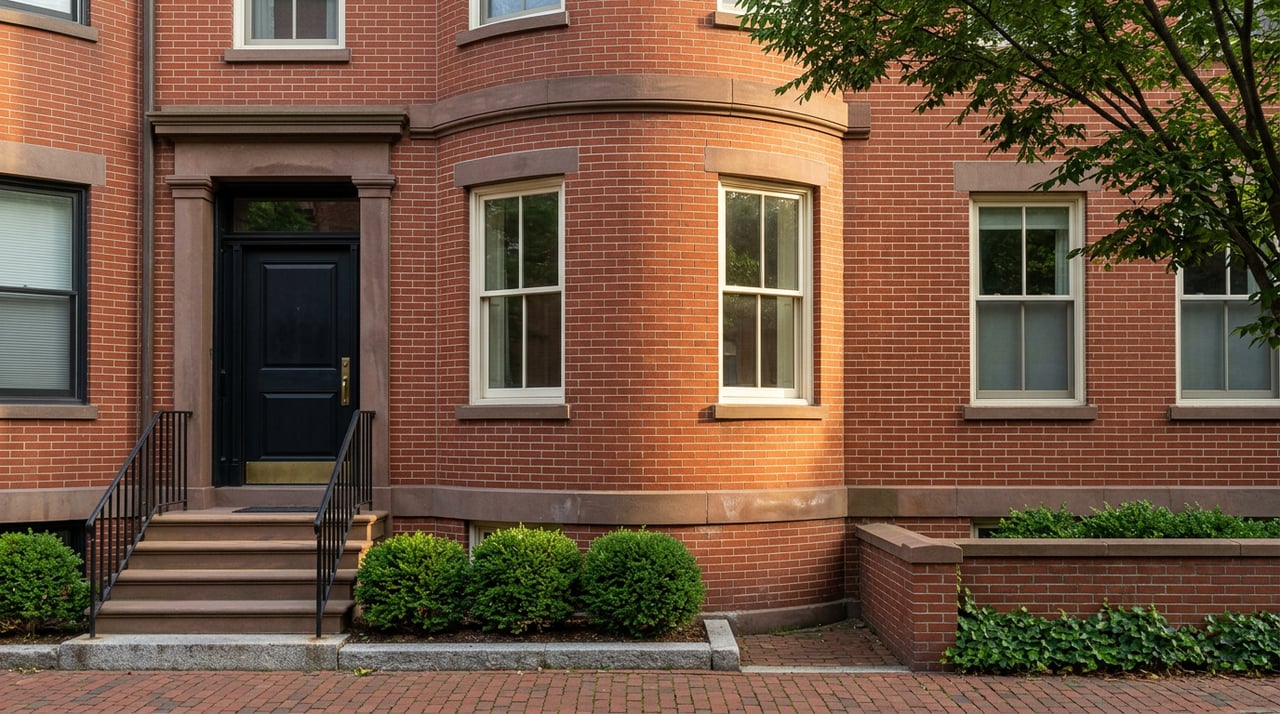
The buildings that give downtown Boston its character (four-unit brick rows on the flat of Beacon Hill, converted South End townhouses, small Bay Village associations) are also the buildings least prepared to issue a 6D on lender time. There is no property manager. The trustee is a neighbor with a job. The declaration of trust may require two trustee signatures, and one of them may be traveling. In an extreme case, if the previous trustee resigned or sold out and no successor was appointed, the seller may need to be self-elected as trustee under the trust's vacancy procedures before the certificate can be signed at all. That process has to satisfy the buyer's bank's attorney, and it is not fast.
None of this shows up on a listing photo. It shows up ten days before closing.
The following order of operations is written for a seller or a seller's agent working a downtown condo in 2026 conditions. A buyer's agent can mirror it.
A clean 6D says the unit owes nothing today. It does not say the association will not vote a $40,000 façade assessment next week. A buyer who reads only the certificate can inherit an assessment that was pending but not yet levied on the day the certificate was issued.
In a market where condo inventory sits longer and buyers have leverage to walk, this matters. A capital project meeting on the association's calendar between the offer and the closing is a material fact, and it belongs in the same conversation as the 6D request. Ask. Get it in writing from the manager. The certificate protects the buyer from what is due. It does not protect them from what is about to be due.
Yes. The certificate is required to record the deed cleanly and to confirm no association lien attaches to the unit. Cash buyers sometimes skip the lender's date window, but the title company will still ask for a current certificate.
Refusal is rare, but delay is common. If a trustee is unreachable or a small association is functionally dormant, the seller's attorney can walk through the vacancy and self-appointment procedures in the declaration of trust. This is a legal exercise and belongs with counsel, not with the listing agent.
In practice, most managers reissue with a new date rather than amend. Ask about the reissue fee at the same time you place the original order so a slipped closing does not become a pricing surprise.
Just the unit. A separate resale document package (budget, reserves, insurance, meeting minutes, master deed, bylaws) covers the association's overall condition and is what tells a buyer whether the building itself is sound.
The 6D certificate looks like plumbing until it is not. In a Boston condo market where days on market have stretched and lender patience has not, the sellers who treat it as a live document (ordered on a calendar, reissued when the calendar slips, cross-checked against pending assessments) are the ones who close on time and at the number they agreed to.
If you are preparing to list a Back Bay, Beacon Hill, South End, or Seaport condo this year, or negotiating an offer on one, the Batya & Alex Team coordinates the 6D process alongside listing preparation, lender timing, and attorney review so your closing date holds. Start Your Home Search with a team that treats the paperwork as strategy.

Our team will elevate your real estate experience, ensuring sellers shine and buyers win in Greater Boston's competitive market. Our dedication goes beyond deals—we're about making dreams a reality, building lasting bonds, and turning complex market challenges into rewarding outcomes for every client.