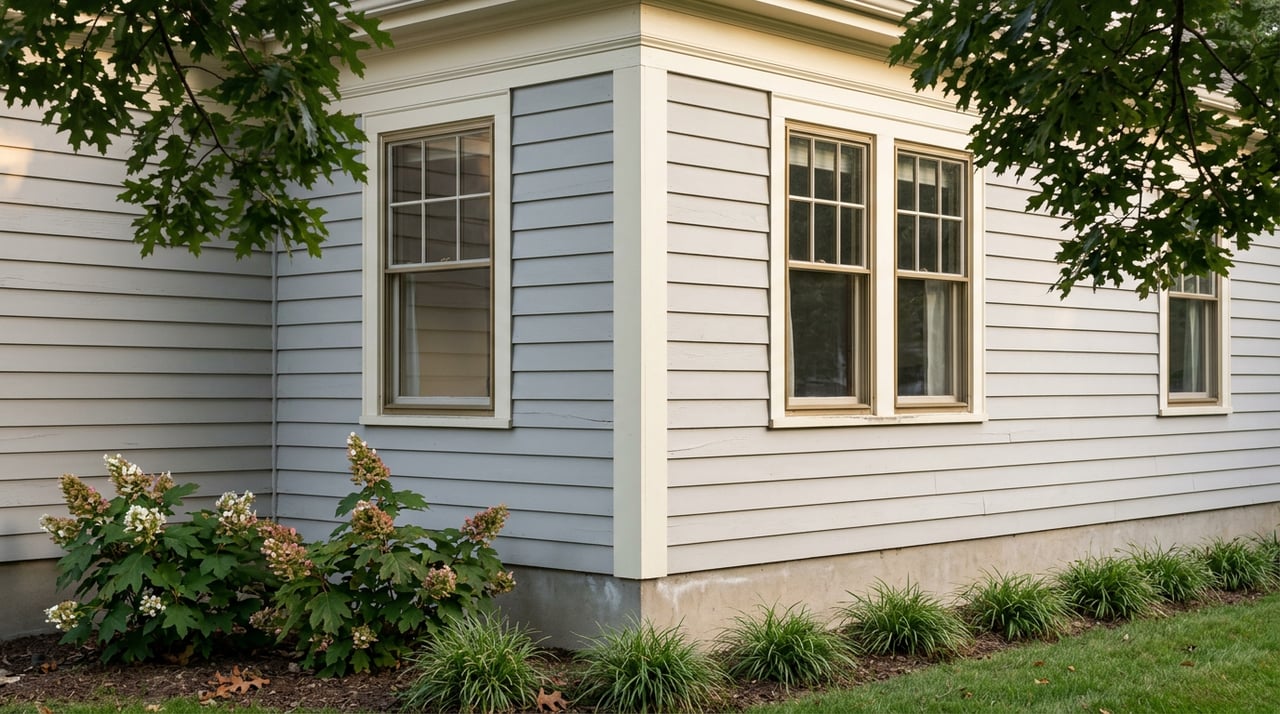
Brookline Historic District Rules Buyers Should Know Early
Brookline
Brookline
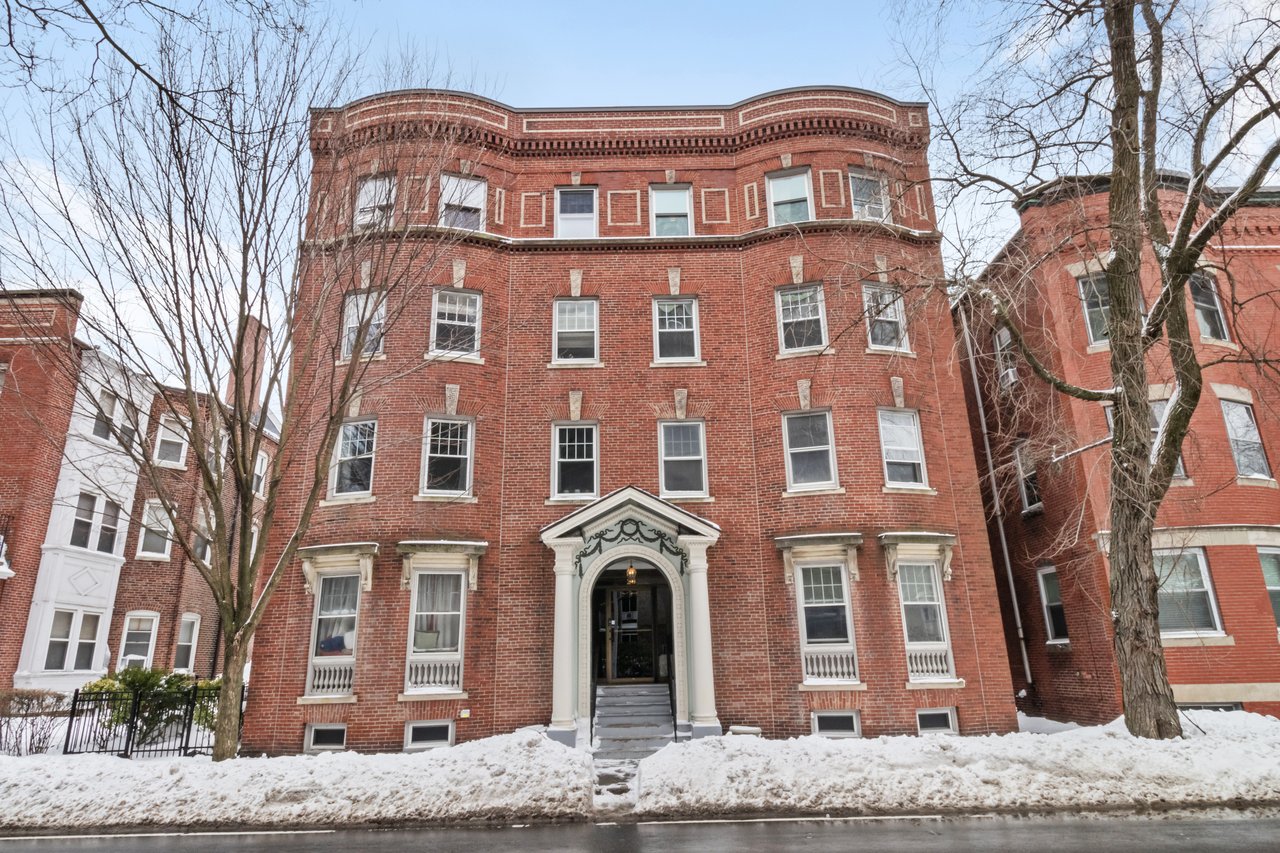
In January 2026, the Town of Brookline filed a lawsuit in Norfolk Superior Court against the owner of a three-unit building in Brookline. The lawsuit, filed Jan. 29 in Norfolk Superior Court, has prompted the property owner to accuse Brookline officials of discrimination and unfair practices. The dispute traces back to a set of replacement windows installed during a renovation that ran well past $1 million. The property owner purchased the property in 2020 and undertook a renovation the owner described as a "full-gut" renovation costing more than $1 million, which included replacing the windows.
The windows themselves were not the problem. Where the house sits was.
The property sits within Brookline's Graffam-McKay Local Historic District, which is regulated by the local Preservation Commission. The owner said they were unaware the property was in a historic district and subject to strict regulations. In a written email to town officials, the owner wrote, "It was an honest mistake."
That gap between what a buyer sees on a walkthrough and what actually governs the property is the reason this case is worth your attention if you are shopping for an older home anywhere near Coolidge Corner, Washington Square, or the streets around Longwood. Brookline draws a real, enforceable line around certain blocks. That line rarely shows up in a listing description, and it does not stop you from buying the house. It stops you from touching the outside of it without permission first.
Brookline has created nine of these zones over the past four and a half decades. Town Meeting has created nine local historic districts: Cottage Farm in 1979, Pill Hill in 1983, Graffam-McKay in 2004, Chestnut Hill North and Harvard Avenue in 2005, Lawrence in 2011, Wild-Sargent in 2012, Crowninshield in 2015 and Olmsted-Richardson in 2022.
If a property falls inside one of these boundaries, the town's Preservation Commission gets a say in anything visible from a public street, way, or park. The Commission's review applies to exterior architectural design and features that are visible from a public street, way or park. Windows, siding, a front door, a porch rail, a chimney rebuild. Proposed work that includes the systematic removal, effacement or destruction of exterior architectural elements that define or contribute to a building's historic character might qualify for review, including removing or altering windows, siding, chimneys and decorative elements.
That review is not a suggestion. The Preservation Commission approves all changes to buildings and structures, including exterior construction, alterations, repairs or demolition, before the Building Commissioner can issue a building permit. No certificate, no permit. It applies to multi-unit buildings too. The three-unit building at the center of the lawsuit was subject to the same rule; the district boundary did not care.
None of this is designed to be punitive. It is a paperwork sequence, and most of it moves faster than people assume. The town's certificate process depends on what you want to do.
Certificate | When it applies | Fee | Who signs off |
|---|---|---|---|
Non-Applicability | Work not visible from a public way, or ordinary repair with no change in design, material, or appearance | $20 | Staff, no hearing |
Appropriateness | Any other reviewable exterior change | $50 minimum, plus $2 per $1,000 of project cost | Staff via a 10-day notice, or the full Commission at a public hearing |
Hardship | Compliance would create a substantial financial or other hardship specific to the applicant | Same fee structure | Full Commission |
The Town of Brookline lists a minimum fee of $50.00 for a Certificate of Appropriateness, with a sliding scale of $2.00 per $1,000 based upon the estimated cost of the work, and a fee of $20.00 for a Certificate of Non-Applicability. The timeline is not long by permitting standards. The approval process can take as little as two weeks and up to six weeks or more depending on the timing of the application, and most applications require a 14-day advance notice to abutters before the case comes before the Commission.
Skip that step and the cost changes. A retroactive application costs three times the normal fee, with a minimum of $150.00 for a Certificate of Appropriateness and $60.00 for a Certificate of Non-Applicability. In this case, that retroactive route was tried twice and failed both times. The owner sent the Commission a retroactive application in 2022 for window replacements, which was denied, then sent another application months later for a different type of insulating glass windows, similar to a neighboring building, but was denied again. The neighboring building's windows were not a valid comparison. Those windows were vinyl instead of the required wood, but they were installed before the historic districts were established.
The town did not move to litigation quickly. Town officials said they sent the owner at least 35 emails and two certified letters over a four-year period before filing suit. There was also a documented off-ramp offered along the way. The commission suggested the owner apply for a Certificate of Hardship, but the town said the owner never applied despite being informed about it multiple times.
It is easy to read a case like this as a one-off. The Commission's own meeting calendar says otherwise. On one recent agenda, the board took up a Certificate of Appropriateness for a rear addition at 71 Harvard Ave and a full demolition application at 45 Beverly Road. 71 Harvard Ave sought a Certificate of Appropriateness to add a third story to the existing rear ell and construct another rear addition, while 45 Beverly Road came in with an application for full demolition of the home. These are routine agenda items, not exceptions. The Commission reviews this kind of exterior work every month, which is exactly why it matters before you own the property rather than after.
Local Historic District status is the strictest layer, but it is not the only one. Brookline's demolition delay bylaw reaches beyond district boundaries to any building the Commission finds historically or architecturally significant. All buildings in Brookline are potentially subject to a demolition delay. The trigger is broader than a wrecking ball. Demolition includes removing or covering 25 percent or more of a building's exterior sides and roof, removing or covering one side of a building, removing the roof, or significantly altering the shape of the roof.
If a building clears that bar for significance, the clock runs long. The commission will impose a demolition delay on the building for a period of up to 12 months, or 18 months for a National or State Register property. That review starts fast. Preservation Commission staff make an initial determination of historical and architectural significance within 10 business days after a complete application form has been submitted. So a buyer planning a gut renovation or a teardown on an older Brookline property needs to check for significance even outside the nine named districts.
For anyone touring an older Brookline home with renovation plans already in mind, a few steps take less time than a single showing:
None of this should scare a buyer away from Brookline's older housing stock. The town's stock of Federal, Colonial Revival, and Victorian homes is a real part of what draws people to streets like Cottage Farm and Pill Hill in the first place. The point is timing. Every buyer eventually learns where the district line runs. The only question is whether you learn it before you sign the purchase and sale agreement or after you have already ordered the windows.
If you are looking at an older home in Brookline and want a straight answer on district status, open certificates, or what a given exterior change would actually require, the Batya & Alex Team can pull that history before you write an offer, not after you have already picked out the trim.
How do I find out if a specific Brookline address is inside a Local Historic District? The Preservation Commission maintains district maps and offers preliminary consultations for anyone checking a property before filing an application or writing an offer, through the town's Local Historic Districts page.
Does this apply to condos, or just single-family homes? It applies to any building inside a district boundary, including multi-unit properties. The property at the center of the current lawsuit is a three-unit building, and its district status governed the whole exterior.
What if the home I'm considering already has undocumented exterior work? That is worth raising directly in due diligence. Retroactive applications cost three times the standard fee and can still be denied, which is exactly what happened twice in this case before the matter reached court.
This article is general information, not legal, tax or financial advice. Consult a qualified professional about your situation.
Newton
Brookline
Selling a Home
Brookline
Newton
Newton
Brookline
Our team will elevate your real estate experience, ensuring sellers shine and buyers win in Greater Boston's competitive market. Our dedication goes beyond deals—we're about making dreams a reality, building lasting bonds, and turning complex market challenges into rewarding outcomes for every client.