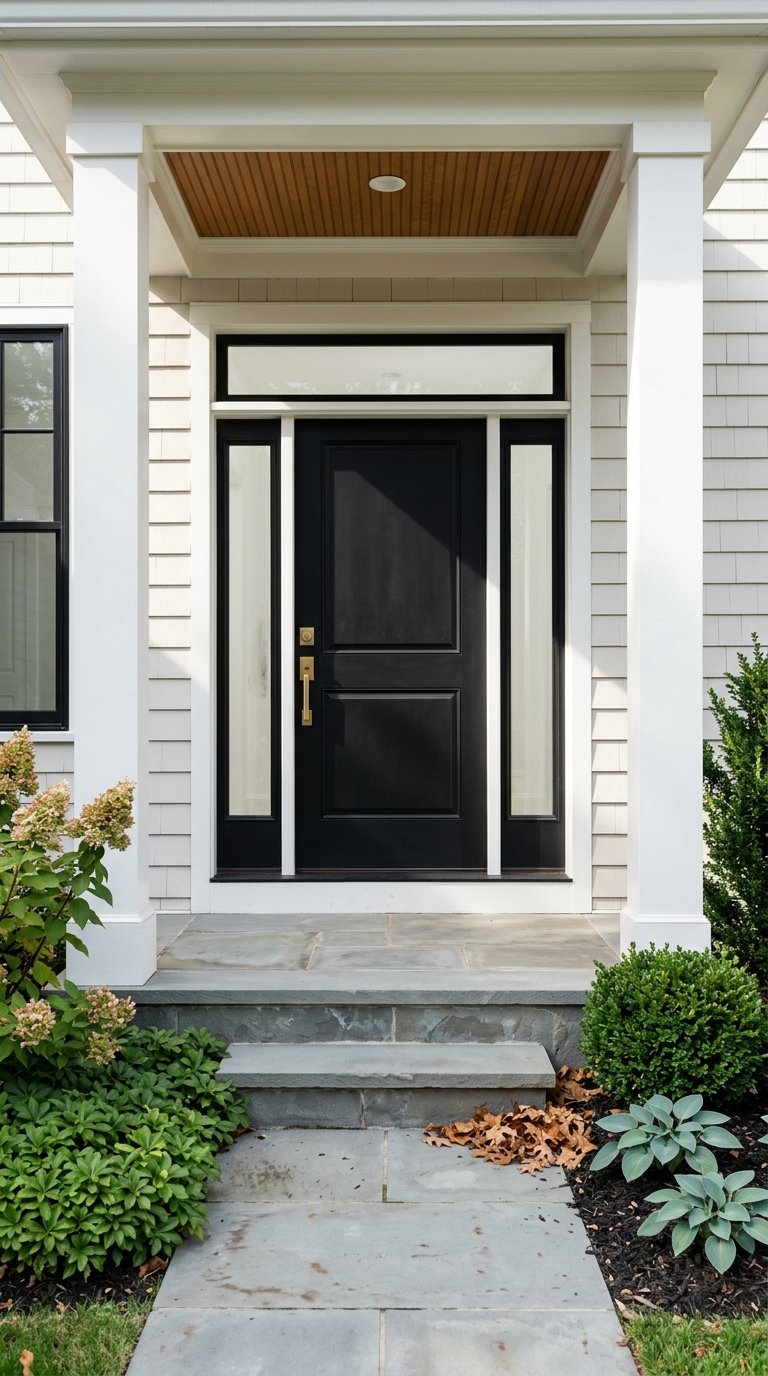
Pricing Luxury Homes in Newton With Precision
If you price a Newton luxury home like it sits in one single market, you could leave money on the table or lose valuable time. Newton is a high-value city, but it is also a collection of distinct village markets where buyer expectations, comparable sales, and pricing pace can shift from one area to the next. If you are preparing to sell, this guide will help you understand how strategic pricing works in Newton and what can lead to a stronger result. Let’s dive in.
Newton is not best understood by one citywide number alone. The city identifies 13 village centers, and that village structure still shapes how buyers view location, convenience, and value.
For luxury sellers, that matters right away. A home in Waban, West Newton Hill, Chestnut Hill, Oak Hill Park, Newton Highlands, or Newton Corner may attract a different buyer pool and support a different pricing strategy, even when homes have similar square footage.
City data also shows why broad averages can be misleading. In Newton’s FY2024 examples, single-family sales ranged from $443,000 in Nonantum to $9,000,000 in West Newton Hill, with other examples at $2.5 million in Chestnut Hill and $3.1 million in Oak Hill Park.
That spread tells you something important: luxury pricing in Newton is hyper-local. The right list price starts with your exact micro-location, not just a general Newton median.
Newton’s market is expensive by almost any measure, and that should shape how you think about the luxury segment. According to the city’s FY2026 tax classification materials, single-family median sale price rose every year from $1.07 million in 2016 to $1.85 million in 2025.
The same report shows how residential the city remains. Single-family and two-family homes accounted for 79.55% of assessed value, while all residential property accounted for 92.23%.
For sellers, the takeaway is simple. In Newton, seven-figure pricing is not a rare exception. It is a normal part of the market, which makes smart positioning even more important when your home is competing in the upper tier.
Several public market trackers use different methods, but they point in the same direction. Newton remains a premium market, and homes that are priced in line with current conditions still move relatively quickly.
Redfin reported a three-month median sale price of $1.659 million through May 2026, with homes selling after 21 days on market. Zillow reported a typical home value of $1,558,397 as of May 31, 2026, a median sale-to-list ratio of 0.993, and median days to pending of 9.
Realtor.com’s March 2026 snapshot showed 233 homes for sale, a median sale price of $1.88 million, a 99% sale-to-list ratio, and a median of 27 days on market. Realtor.com also described Newton as a balanced market in March 2026.
That balance is important. Even in a strong suburban market, buyers still react to price. Aspirational pricing can lead to longer market time, while realistic pricing can create faster, stronger interest.
A strategic price should be built from recent comparables, current competition, and buyer behavior. In Newton, that starts with choosing comps from the right village or micro-market whenever possible.
General pricing guidance says the most useful comps are recent sales or active listings with similar square footage, lot size, updates, and amenities. Ideally, they are close by and from the last three months.
That approach matters more in Newton because one part of the city may behave differently from another. Realtor.com neighborhood metrics from March 2026 showed Waban with a median listing price of $2.4995 million and 16 days on market, West Newton at $1.5985 million and 20 days, Newton Highlands at $1.395 million and 35 days, and Newton Corner at $1.485 million and 26 days.
Those are not small differences. They show why a seller should avoid using broad city numbers as a shortcut for pricing a luxury home.
When reviewing comparable properties, focus on homes that match your property in ways buyers actually notice:
If the comp set is off, the pricing strategy can be off too. That is one reason many sellers benefit from comparing more than one market analysis before deciding on a list price.
Luxury buyers in Newton usually compare homes carefully. They are not just comparing size and address. They are also comparing condition, design, layout, and how move-in ready a property feels.
That is why recent renovations can matter even when public records do not fully reflect them yet. Newton’s assessing office states that assessments reflect property condition and market value as of January 1 of the prior year, and major construction can take more than one fiscal year to fully show up in assessed value.
So if you upgraded your kitchen, improved your layout, or completed a major renovation recently, the market may recognize that value before the tax roll does. Your list price should reflect what today’s buyers are likely to pay now, not just what the assessment says.
Condition and presentation often work together. National staging data from 2025 found that 29% of agents saw staging increase the dollar value offered by 1% to 10%, and about half of seller’s agents saw staged homes sell more quickly.
That does not mean every home needs the same prep plan. It does mean that repairs, decluttering, and polished presentation can support your pricing strategy by helping buyers see the home at its best from day one.
In a market like Newton, where buyers often have strong expectations, presentation can help justify the price you bring to market.
Many sellers assume the right list price should mirror an appraisal or assessed value. In practice, pricing and appraisals serve different purposes.
Appraisals are based on sold comparable properties and are naturally backward-looking. A list price, by contrast, should reflect what buyers will pay in the current market, given your home’s condition, location, timing, and competition.
That distinction matters in Newton luxury sales. If the market is moving quickly in a certain village or if your home has standout updates that older comps do not capture well, the most effective list price may not line up neatly with a past number.
The goal is not to chase the highest imaginable figure. The goal is to position the home where serious buyers see value and feel urgency.
A strategic seller looks beyond the asking price headline. The best result often comes from creating the conditions for a strong overall offer package.
That can include:
This is one reason overpricing can backfire. Seller guidance cited in the research notes that homes priced more than 3% above the correct price tend to take longer to sell.
A home that starts too high may miss the buyers most likely to act early. A home that is priced with discipline can create stronger engagement and improve your chances of attracting a cleaner offer.
When sellers debate whether to list now or wait for a higher number, the discussion should include carrying costs. Time has a price, even in a high-end market.
Newton’s FY2026 residential tax rate is $9.69 per $1,000 of assessed value. The city also states that homeowners contribute 1% of their annual real estate tax amount to the Community Preservation Fund.
The city’s median single-family example uses an assessed value of $1,503,500, which equals about $14,568.915 in annual property tax and about $145.68 in CPA contribution. Those costs may look small relative to a luxury sale price, but they still affect net proceeds while a home sits on the market.
If waiting for a higher asking price means extra months of carrying costs and weaker buyer momentum, that strategy may not improve your bottom line.
For most Newton luxury sellers, strategic pricing is not about guessing high and hoping the market agrees. It is about combining local knowledge with clear data and then launching with purpose.
A strong pricing plan usually includes:
That kind of process helps you make a confident decision. It also gives your home a better chance to stand out in a market where buyers are sophisticated and pricing discipline still matters.
If you are thinking about selling in Newton, the best first step is a pricing conversation built around your specific home, your village, and your goals. The Batya & Alex Team brings a high-touch, data-driven approach to valuation, marketing, and negotiation to help you position your home for the strongest possible outcome.



Our team will elevate your real estate experience, ensuring sellers shine and buyers win in Greater Boston's competitive market. Our dedication goes beyond deals—we're about making dreams a reality, building lasting bonds, and turning complex market challenges into rewarding outcomes for every client.