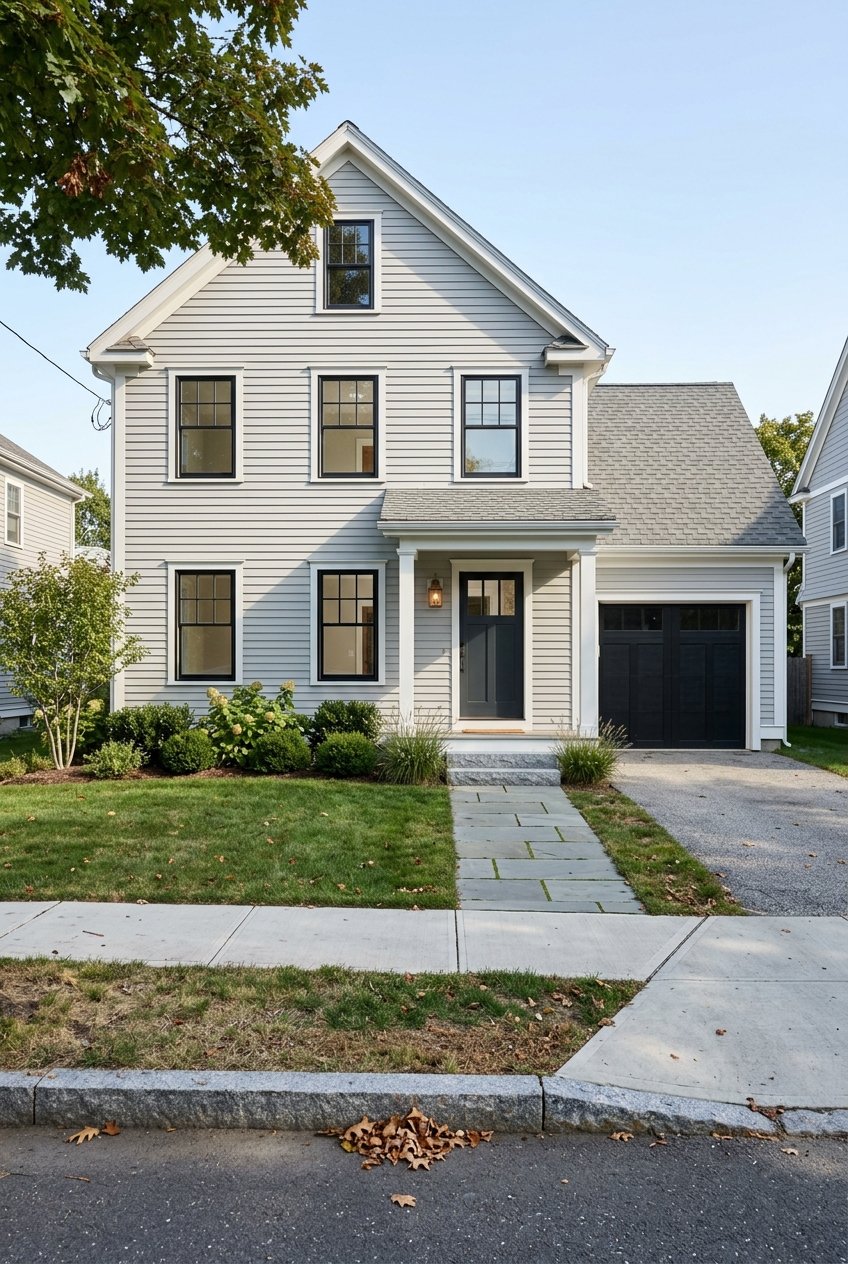
Living in Newton MA: Commutes, Parks, and Village Life
What does everyday life in Newton actually feel like once the moving boxes are gone? For many buyers, that question matters just as much as square footage or finishes. If you are trying to picture your routine here, the answer often comes down to how close you are to a village center, a transit stop, and the outdoor spaces you will really use. Let’s dive in.
One of the first things to understand about Newton is that it does not revolve around one central downtown. The city is organized around 13 distinct village centers, and many of them grew from earlier railroad, river, and mill patterns.
That shape still affects daily life today. Newton describes itself as largely residential, with much of its commercial, cultural, and social activity concentrated in historic village centers and walkable districts. In practical terms, that means your regular routine may center on the square, café cluster, park, or transit stop closest to home.
If commuting matters to you, Newton offers more than one way to get around. The city has direct access to I-90, I-95/Route 128, Route 9, Route 16, and Route 30, which gives drivers several regional connections.
Transit is also a major part of the city’s layout. Newton’s own economic development materials describe it as a streetcar suburb, where neighborhoods and commercial centers grew around train stations. That history still shows up in how residents move through the city today.
The Green Line D branch is one of the best-known transit options in Newton. According to the city, seven T stops in Newton provide service from Riverside east through Newton and into Boston and Somerville.
For some buyers, that can make a big difference in day-to-day planning. If you want the option to leave the car at home, being near a D branch stop may shape which village feels like the right fit.
Newton also has Framingham/Worcester Line commuter rail stations in Auburndale, West Newton, and Newtonville. These stations add another layer of flexibility, especially if your work or regular travel patterns line up better with commuter rail service than the Green Line.
This is one reason Newton can appeal to buyers with different routines. Your best match may depend less on the city as a whole and more on which village connects most easily to your week.
Bus service fills in more of the map. The city lists more than 10 MBTA bus lines and specifically highlights routes 52, 57, 59, and 60 as additional options.
That matters because not every daily trip is a downtown commute. Bus routes, major roads, and local village access can all shape errands, appointments, and after-work plans in ways that make a home feel more convenient over time.
In Newton, outdoor access is not limited to a few major destinations. The city’s Conservation Office manages 22 conservation parcels totaling more than 300 acres, and 16 parcels have public trails.
That gives many residents a realistic way to fit nature into ordinary life. Instead of planning a special outing, you may find that a short walk, a trail loop, or time near the water becomes part of your week.
Newton maps ACROSS loops as recommended walking routes that connect parks, open space, aqueducts, historic village centers, and quiet streets. That is a helpful clue about the city’s rhythm.
For many people, Newton living is not just about getting from home to work. It is also about being able to take a neighborhood walk, connect a few local landmarks, and move through the city at a more comfortable pace.
Park access in Newton is strong, but it is not identical everywhere. Some villages place you closer to riverfront trails, while others may put you near fields, wooded paths, or a neighborhood beach.
That is why buyers often benefit from thinking beyond the house itself. A home that looks similar on paper can feel very different depending on the open space and everyday amenities nearby.
Some public spaces stand out because they show how varied Newton’s outdoor options can be. These examples can help you picture the lifestyle differences from one area to another.
Nahanton Park is a 57-acre Charles River park in Newton Highlands. The city says it includes trails, a canoe and kayak launch with rentals, community gardens, a fishing dock, and sports fields.
If you want your weekends to include river access and flexible outdoor time, this kind of setting may carry real weight. It can support both active routines and slower, unplanned time outside.
Cold Spring Park has 65 acres of wooded parkland, along with trails, fields, and an off-leash area. The city also hosts a Tuesday farmers market there, which adds a social and practical layer to the space.
That combination matters. Some parks are mostly scenic, while others become part of your weekly pattern for walks, recreation, and errands.
Crystal Lake in Newton Centre serves as the city’s summer bathing beach. For buyers exploring Newton Centre, that is one of the features that can make the area feel especially active in warmer months.
A local lake changes more than just summer plans. It can influence how often you spend time outside, how you host visiting friends, and how connected you feel to the neighborhood around you.
The Norumbega Conservation Area in Auburndale offers riverfront trails and a generally accessible loop trail. For buyers who value calm outdoor space and straightforward trail access, that can be a meaningful part of daily life.
This is a good example of how Newton’s villages each offer a slightly different rhythm. Some feel tied more closely to a square or station, while others gain extra appeal from nearby conservation land.
Newton’s village structure is not just a planning concept. It shows up in how people spend their free time.
The city’s historical materials note that Newton Centre evolved from an early meetinghouse and common area into a railroad suburb as commuter service improved in the 1870s. Newtonville also developed as a rail-served suburban village, and its neighborhood council hosts community events such as Village Day.
Newton Highlands has its own annual Village Day, a Halloween party and haunted house, and a Soup Social. West Newton’s history is also closely tied to transportation and civic life.
Taken together, these examples point to a clear pattern. In Newton, daily life often centers on the village nearest you rather than a single citywide downtown.
Beyond parks and village squares, Newton also has recurring programs and gathering places that shape routines. The city runs a seasonal farmers market on Saturdays at Newton North High School and Tuesdays at Cold Spring Park.
In Newtonville, the Cooper Center says it offers more than 100 programs each week along with a popular walking track. These kinds of hubs can matter as much as a commute map because they influence how easy it feels to stay active, social, and connected close to home.
If you are considering Newton, one of the best ways to narrow your search is to identify your daily anchor first. For some buyers, that means train access. For others, it means park proximity, easy driving routes, or a walkable village center.
Newton’s official materials suggest that many residents can combine all four, but the balance varies by village and by proximity to transit, amenities, and open space. That is why two homes in the same city can support very different lifestyles.
A helpful shortlist might include questions like these:
When you buy in Newton, you are not just choosing a house. You are also choosing the pattern of your mornings, evenings, and weekends.
That is especially important in a city built around village identity. A strong home search here often starts with lifestyle matching, then narrows to the streets and properties that support it best.
If you want help comparing Newton villages based on your commute, outdoor routine, and day-to-day priorities, the Batya & Alex Team can help you search with a clear local strategy.



Our team will elevate your real estate experience, ensuring sellers shine and buyers win in Greater Boston's competitive market. Our dedication goes beyond deals—we're about making dreams a reality, building lasting bonds, and turning complex market challenges into rewarding outcomes for every client.