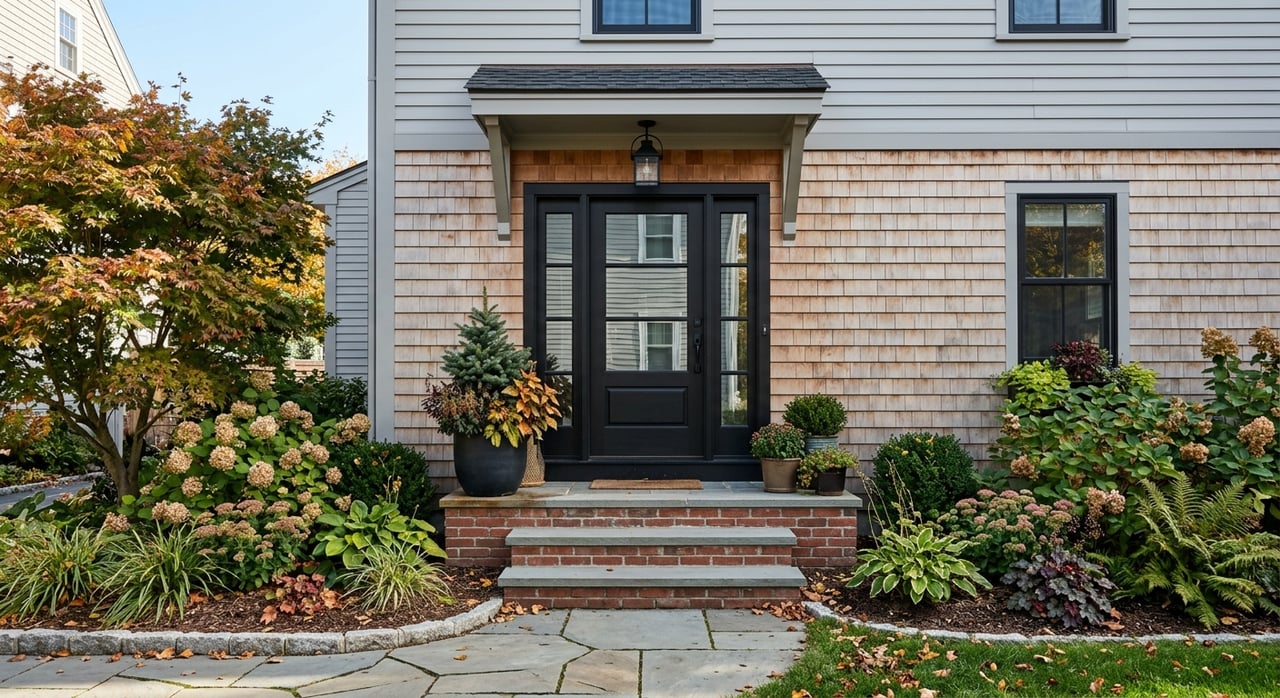
Boston Corporate Relocation Rentals Guide
Landing in Boston for a new job can feel exciting right up until you start looking at rentals. Rents are high, good units move fast, and the right neighborhood for your lifestyle may not be obvious from a map alone. If you are relocating for work, this guide will help you narrow your options, prepare your paperwork, and understand the Massachusetts rules that shape your move. Let’s dive in.
Boston’s rental market remains competitive, especially in the core neighborhoods that tend to attract relocating professionals. Recent market snapshots place overall Boston rents in the low-to-mid $3,000s, with citywide figures around $3,375 to $3,408 depending on the data source.
The exact number varies by methodology, but the takeaway is consistent. Rentals can move quickly, and Boston Pads reports a median of 24 days on market. That means you will want your documents ready before you start touring, not after you find a place you like.
For many corporate transferees, the biggest trade-off is simple: commute, building style, and budget. Newer buildings and central locations usually cost more, while historic areas may offer charm and convenience with fewer modern amenities.
If you are moving for work, a short list often makes the search easier. In Boston, Back Bay, Downtown, Seaport, and the South End are often the first areas professionals consider because they combine central location, transit access, and a strong mix of services and amenities.
Beacon Hill and the North End are often better fits if you care more about character and walkability than newer building features. Fenway-Kenmore can offer a useful middle ground on cost and access.
Back Bay is a strong option if you want a polished, walkable neighborhood with excellent transit access. Back Bay Station serves as a major intermodal center with commuter rail and Amtrak access, and walking plays a major role in daily life here.
It is also one of Boston’s more expensive housing areas. ApartmentAdvisor’s March 2026 median places Back Bay at $3,350, so it often appeals to renters who prioritize convenience and are willing to pay more for location.
Downtown is often the most office-oriented choice. It includes a mix of historic apartment buildings, condos, and modern glass towers, and it remains a natural fit for professionals who want to be close to major employment centers.
If your goal is to keep commuting simple and you do not need much parking, Downtown can be especially practical. Its March 2026 median rent was $3,786, which reflects that convenience.
If you want newer construction and a more contemporary feel, Seaport often stands out. Planning materials describe the area as rapidly changing, with many condo and apartment buildings developed to meet growth.
That newer inventory usually comes at a premium. Seaport had the highest median rent among the central neighborhoods in this comparison set at $4,058, so it is often best for renters who place a high value on newer finishes, amenity buildings, and waterfront energy.
The South End offers a classic Boston setting with strong lifestyle appeal. It is minutes from Downtown and Back Bay, includes Victorian brownstones, and features nearly 30 parks.
This area works well if you want central access with a more historic residential feel. The trade-off is that parking can be limited and expensive, so renters who rely on a car should ask detailed questions early. The neighborhood median rent was $3,573 in March 2026.
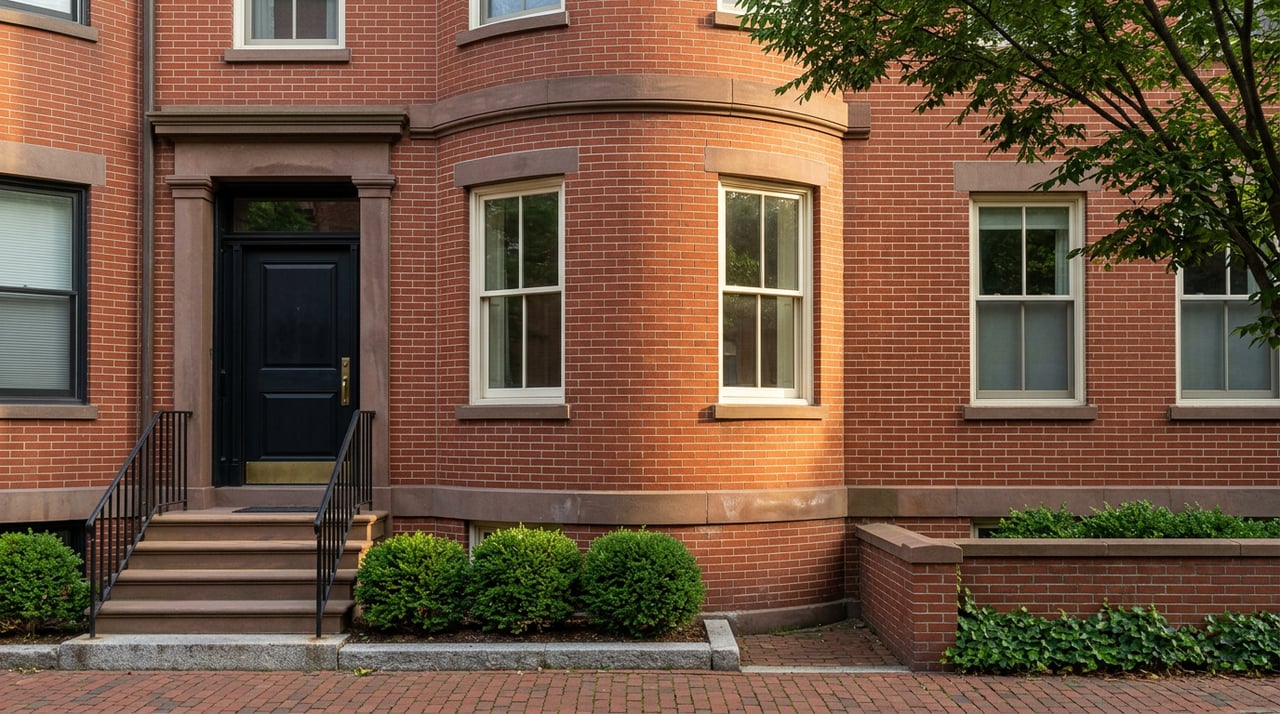
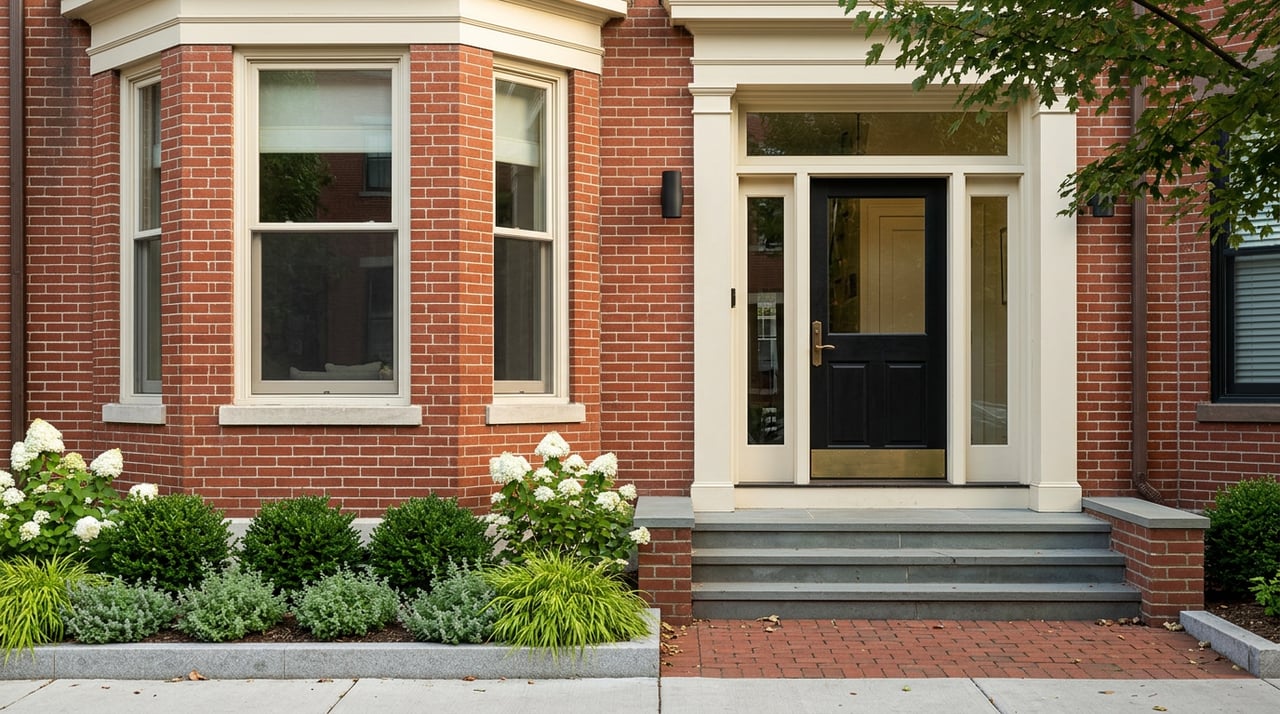
Beacon Hill is known for brick row houses, narrow streets, brick sidewalks, and gas lamps. It is a good match if you are drawn to historic character and do not need a brand-new building.
Its median rent of $2,950 still places it in Boston’s upper tier, but it can offer a different value equation than Seaport or Downtown. You may give up some modern amenities in exchange for setting and charm.
Fenway-Kenmore can be a smart compromise if you want culture, green space, and transit access without paying Seaport pricing. The area includes major cultural institutions and the Back Bay Fens, and city planning work continues to improve connections through the neighborhood.
With a median rent of $3,200, Fenway often appeals to professionals who want central access with a slightly broader range of price points. It can be a practical option if you want to stay connected to core Boston without targeting the most expensive submarkets.
The North End is a compact, historic neighborhood known for vibrant streets, cafés, and waterfront recreation spaces. It is often a fit for renters who care most about walkability and being in the middle of city life.
Its March 2026 median rent of $2,780 makes it lower than several other central Boston options. For relocating professionals who want a central address and strong neighborhood identity, that can make it worth a closer look.
Here is a quick snapshot of the neighborhood medians cited above.
| Neighborhood | Median Rent |
|---|---|
| Seaport | $4,058 |
| Downtown | $3,786 |
| South End | $3,573 |
| Back Bay | $3,350 |
| Fenway | $3,200 |
| Beacon Hill | $2,950 |
| North End | $2,780 |
These figures are most helpful as a planning tool. They can help you decide whether your priority is the newest building, the easiest commute, or a more balanced mix of cost and location.
In Boston, preparation matters. Because units can lease quickly, it helps to treat your first tour like the final step, not the first one.
Bring or pre-assemble the documents landlords commonly use to review applicants. That usually includes:
Landlords commonly run credit, criminal, and rental-history checks. If your U.S. credit history is limited, a cosigner may be part of the conversation, and recent hires may find that an offer letter helps fill the gap.
This is especially important for international hires and corporate transferees on a tight schedule. Having a clean, ready-to-send packet can make your search more efficient and reduce last-minute stress.
If you are relocating from another state, Massachusetts rental practices may look different from what you are used to. Understanding the local rules can help you budget more accurately and avoid confusion.
As of August 1, 2025, the person who hires the broker pays the broker fee, and landlords may not shift their broker cost to a tenant. Massachusetts also says landlords may not charge up-front application fees at the start of a tenancy.
That makes it especially important to ask for a full breakdown of legal move-in costs. In Massachusetts, the typical up-front charges can include:
Security deposit rules are also specific. The deposit must be held in a separate interest-bearing Massachusetts bank account, and the landlord must provide the bank details and a condition statement.
When you find the right place, slow down before signing. Massachusetts guidance says both parties must sign the lease, and the landlord must provide a copy within 30 days.
The lease should also identify the owner, the maintenance contact, and the person who receives formal notices. If anything is unclear, ask questions before you commit.
If the unit was built before 1978, ask early about lead-law disclosure forms. That step is especially important if lead paperwork may apply to your household.
Base rent is only part of the picture in Boston. Optional items like parking, fitness access, or other building amenities may be priced separately, so you should ask for the full fee sheet rather than comparing rent alone.
That matters even more in neighborhoods where parking is limited and expensive, including parts of the South End and Back Bay. A unit that looks similar on paper can feel very different once those added costs are included.
It also helps to think about building age. A newer building may offer convenience and amenities, while an older building may offer a better location or a lower rent, but with trade-offs in layout, storage, or finishes.
Fast-moving markets create pressure, and pressure can lead to rushed decisions. A few simple habits can protect both your budget and your timeline.
Keep these points in mind:
Wire-transfer scams remain a real risk, especially when a renter feels urgency to reserve a unit quickly. If something feels rushed or unclear, pause and verify before sending funds.
For most corporate relocations, the smartest path is not to start with every neighborhood in Boston. Start with your commute, your budget ceiling, and your preferred living style.
If you want the fastest office access, Downtown may rise to the top. If you want newer construction, Seaport may make the most sense. If you want a classic Boston setting with strong central access, the South End, Back Bay, Beacon Hill, or the North End may fit better depending on your budget and amenity needs.
A focused search usually leads to better outcomes than a broad one. It helps you move faster, compare options more clearly, and avoid paying premium prices for features you do not actually need.
If you are planning a corporate move to Boston and want thoughtful, hands-on guidance, the Batya & Alex Team can help you navigate neighborhoods, timing, and the rental process with a clear local strategy.



Our team will elevate your real estate experience, ensuring sellers shine and buyers win in Greater Boston's competitive market. Our dedication goes beyond deals—we're about making dreams a reality, building lasting bonds, and turning complex market challenges into rewarding outcomes for every client.