Thinking about trading your Brookline single‑family home for a condo but not sure where to start? You want less maintenance without giving up the lifestyle you love, and you want a plan that protects your time and money. In this guide, you’ll learn the key financial, legal, and lifestyle considerations in Brookline and nearby Norfolk, plus a practical timeline and checklists to make your move smoother. Let’s dive in.
Brookline vs. Norfolk: Key tradeoffs
Brookline condo living at a glance
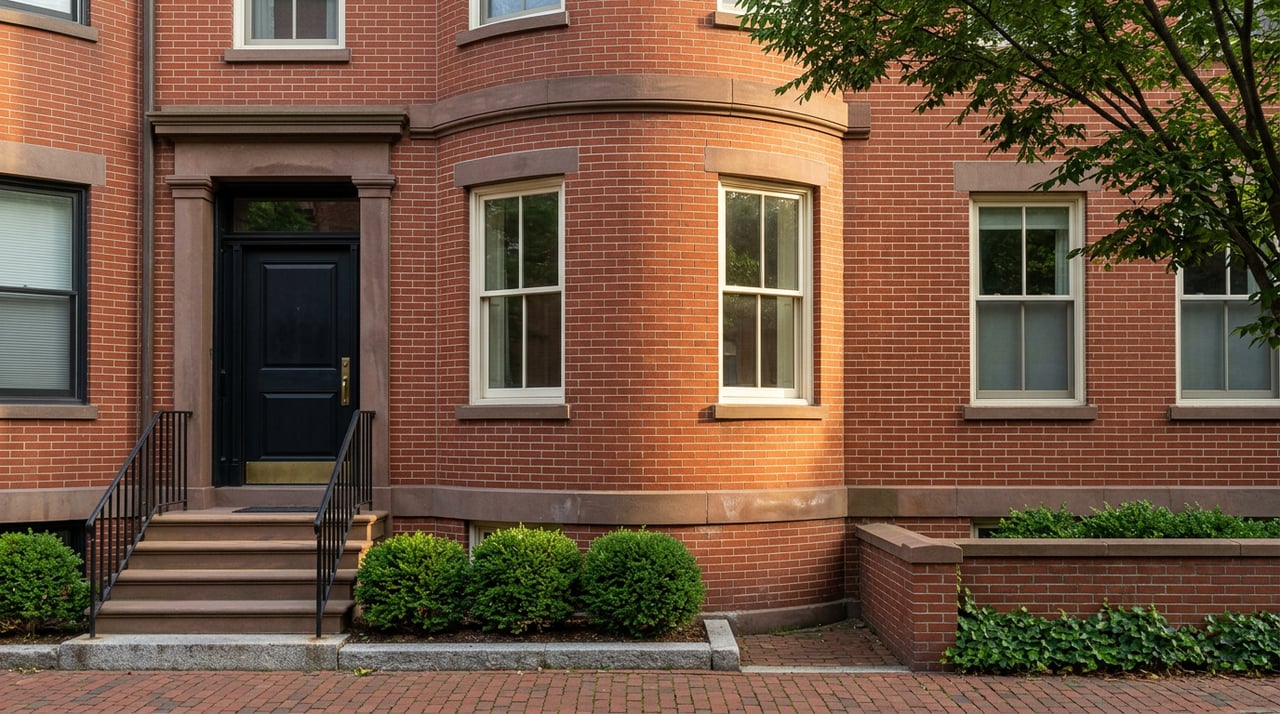
Brookline offers high walkability, MBTA Green Line access, and many condo options, from converted Victorians to newer luxury buildings. You often gain convenience and transit access, and you may be closer to services and medical centers. Expect smaller indoor space on average, faster‑moving inventory, and higher HOA fees compared with more suburban towns.
Norfolk condo living at a glance
Norfolk is more suburban and lower density, with condos spread out rather than concentrated. You may find larger unit footprints and more private parking. Daily life is more car dependent, with commuter rail access for regional trips and fewer walkable retail options.
Which lifestyle fits you?
If you want walkability, transit, and easy access to services, Brookline is a strong fit. If you want more space and parking and are comfortable driving for errands, Norfolk can work well. Many rightsizers prioritize single‑floor living and elevator access, which you can find in both markets. Visit at different times of day to feel each area’s rhythm.
Budget realities: From proceeds to HOA dues
Before you list or buy, map your full budget picture so you can compare homes apples‑to‑apples.
- Net proceeds from selling your house, minus mortgage payoff and closing costs.
- New housing costs: mortgage (if any), monthly condo or HOA fees, condo insurance (HO‑6), property taxes, and utilities. Check what the HOA covers.
- Ongoing reserves risk: special assessments can occur for capital projects. Review association reserves and project history before you commit.
- Transition costs: staging or minor repairs, downsizing services, movers, temporary storage, and any overlap if you carry two homes briefly.
Legal and lending basics in Massachusetts
Know your condo documents
Massachusetts General Laws, Chapter 183A governs condominiums in the state. Key documents include the Master Deed, By‑laws, and Rules and Regulations, along with the Declaration of Trust if applicable. These define your rights, responsibilities, and any restrictions.
Association health and disclosures
Associations maintain budgets, minutes, and financials, which you can review in a resale package. Look for 2 to 3 years of financial statements, current operating budget, reserve fund information or a reserve study, insurance declarations, and recent meeting minutes. This is where you learn about upcoming projects, rule changes, and any litigation.
Financing considerations for condos
Lenders typically review association health, owner‑occupancy ratios, and reserves. Some condos are not eligible for certain loan programs if the association is not approved. If you need financing, confirm lender condo approval requirements early, ideally before making an offer.
Accessibility, walkability, and daily life
Walkability and transit
Brookline shines for walkability with several commercial hubs and Green Line access. Many errands can be completed on foot, and local services are nearby. Norfolk is less walkable but offers commuter rail for regional travel. As you tour, map distances to groceries, pharmacies, and transit, and observe sidewalk quality and lighting.
Parking and permit realities
In Brookline, many condos do not include deeded parking. On‑street residential permits apply in many areas, and guest parking can be limited. In Norfolk, assigned parking is more common, which can simplify daily life if you keep a car. Review association rules for parking, fees, and visitor policies.
Storage planning that works
Condo living often means rethinking storage. Measure closets and unit storage spaces, and ask about building storage lockers and any waitlists. Plan what to keep, sell, donate, or store off‑site. Confirm building fire code rules on storing items in common areas and units.
Step‑by‑step downsizing timeline
9–12+ months before move
- Review finances with your agent or advisor, including likely sale proceeds and condo budget targets.
- Start decluttering room by room and list key items to keep, sell, or donate.
- Research buildings and neighborhoods for walkability, transit, accessibility, and parking options.
- Speak with an agent experienced in Brookline and Norfolk condos and downsizing.
3–6 months before move
- Select and list your house, or interview agents if you are selling and buying.
- Tour condo buildings with your agent and request association documents for promising options.
- Obtain lender pre‑approval for a condo purchase and verify condo eligibility requirements.
- Decide which furniture will fit, whether to stage, and which services you will need (movers, estate sale, donation pickups).
0–3 months before move (contract to closing)
- Submit offers, then order the condo resale pack, home inspection, and attorney document review.
- Coordinate sale and purchase timelines, consider temporary housing or rent‑back if needed.
- Book movers and storage. Set up mail forwarding, utility transfers, and insurance updates.
- If you plan accessibility updates, secure association approval and schedule contractors.
Move and first 6 weeks after
- Unpack essentials and register for local services such as parking permits.
- Attend a condo association meeting or review recent minutes to learn what is coming up.
- Confirm autopay for dues and verify your HO‑6 policy aligns with the master policy.
Your due diligence checklist
Documents to request before you offer
- Master Deed, By‑laws, Declaration of Trust, and Rules and Regulations.
- Operating budget and recent financial statements.
- Reserve study or capital project schedule and reserve balances.
- Board meeting minutes for the past 12–24 months.
- Insurance declarations for the master policy and unit owner requirements.
- Disclosures on special assessments and any litigation.
- Owner‑occupancy rates if your lender requires them.
- Property management details or manager contact.
Inspection focus areas
- In‑unit systems: HVAC age and service history, plumbing, electrical panel, and any moisture history.
- Building systems: roof age, exterior envelope, windows, elevator, garage condition, fire and life safety systems.
- Sound transmission in older conversions, plus included appliances and their condition.
Questions to ask before you commit
- What do monthly dues cover, and how are they billed?
- What is the reserve fund balance, and when was the last reserve study?
- Have there been recent or planned special assessments? For what projects and amounts?
- Is the association professionally managed or self‑managed? What services are included?
- Are there any pending lawsuits or claims?
- What are the rules about pets, rentals, remodeling, and storage?
- How is visitor parking handled, and are there deeded spaces or waitlists?
- What approvals are required for interior modifications like door widening or grab bars?
Avoid common pitfalls
- Underestimating HOA dues and special assessments. Always verify reserves and upcoming projects with documentation.
- Skipping minutes and financials. Hidden disputes or capital needs can add costs later.
- Assuming parking is simple in Brookline. Confirm deeded spaces, on‑street permits, and guest policies early.
- Overlooking lender condo approval rules. Confirm eligibility before you offer.
- Assuming all buildings are accessible. Visit multiple times and test routes, elevators, and entries.
Make your move with a trusted guide
Downsizing can feel like a lot, yet the right plan and partners make it manageable. You set the goals, then build a clear path: budget, documents, accessibility, and timing. If you want hands‑on guidance, local market insight, and coordination with trusted lenders, attorneys, movers, and stagers, the Batya & Alex Team can help you navigate every step. When you are ready, reach out to the Batya & Alex Team for a thoughtful, streamlined transition.
FAQs
What non‑price costs should Brookline downsizers expect?
- Budget for HOA dues, condo insurance, property taxes, utilities not covered by the HOA, moving and storage, plus possible special assessments.
How do condo special assessments work in Massachusetts?
- Associations can levy assessments for capital projects, so review reserves, project history, and minutes to understand potential costs before you buy.
Can I use an FHA or VA loan for a condo purchase?
- Some condos are not eligible unless the association is approved, so confirm lender and program requirements early in your search.
How should I plan for Brookline parking with a condo?
- Verify if your unit includes deeded parking, learn the association’s guest policies, and check municipal permit requirements and timelines.
What accessibility features should I prioritize when downsizing?
- Look for single‑floor layouts, elevator access, zero‑step entries, wide doorways, and bathrooms that can accommodate grab bars or roll‑in showers.
How do I time selling my house and buying a condo?
- Coordinate timelines with your agent, and consider options like a rent‑back, temporary housing, or contingencies to avoid long double‑carrying periods.