Back Bay vs Seaport Condos: Find Your Best Boston Base
Trying to choose between Back Bay and Seaport for your Boston condo? You are not alone. Both neighborhoods offer a polished urban lifestyle, but they feel very different once you look past the headline appeal. This guide will help you compare pricing, housing stock, transit, waterfront access, and day-to-day lifestyle so you can decide which Boston condo base fits you best. Let’s dive in.
If you are deciding quickly, the simplest way to think about this comparison is style, setting, and daily rhythm.
Back Bay is the more historic choice. It is known for preserved architecture, classic streetscapes, and a walkable street life centered around Newbury Street, Boylston Street, and Commonwealth Avenue. Seaport is the newer-build option, with a more contemporary mixed-use setting, direct harbor access, and an evolving skyline.
Your decision often comes down to what you want to feel when you step outside. If you picture brownstones, established blocks, and easy access to rail transit, Back Bay may feel more natural. If you want modern buildings, waterfront energy, and a district that continues to change, Seaport may be the better fit.
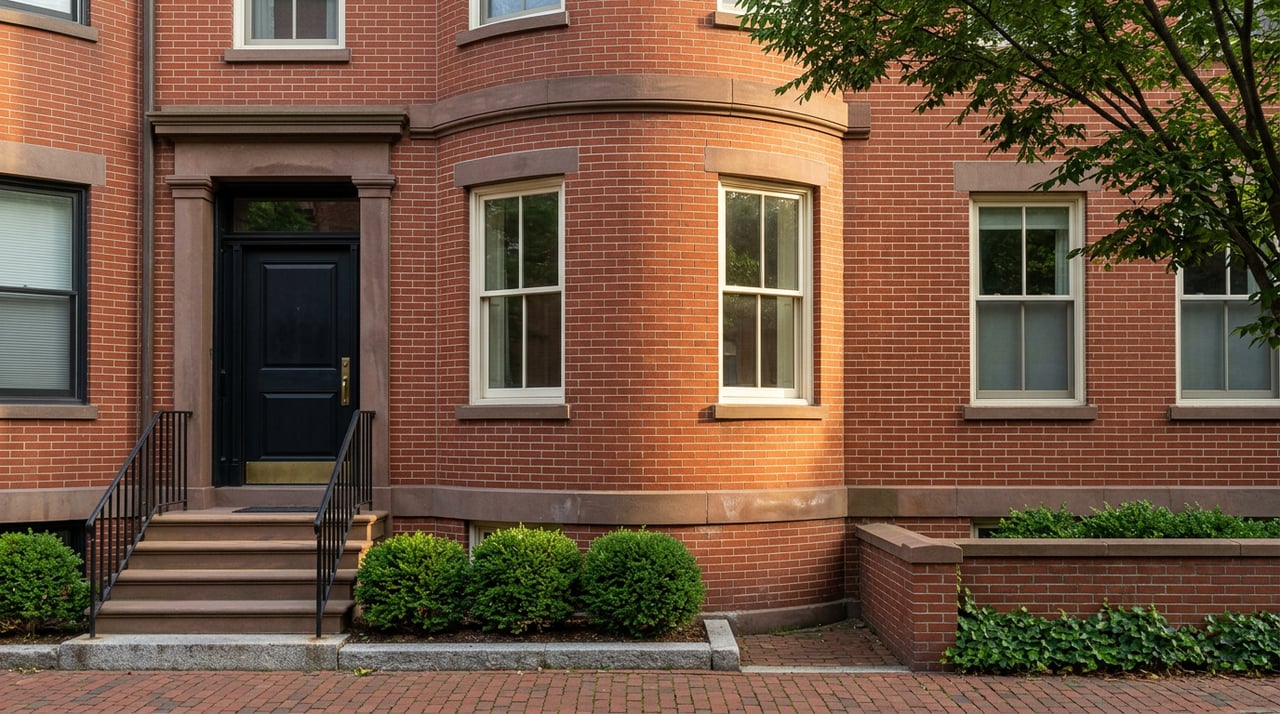
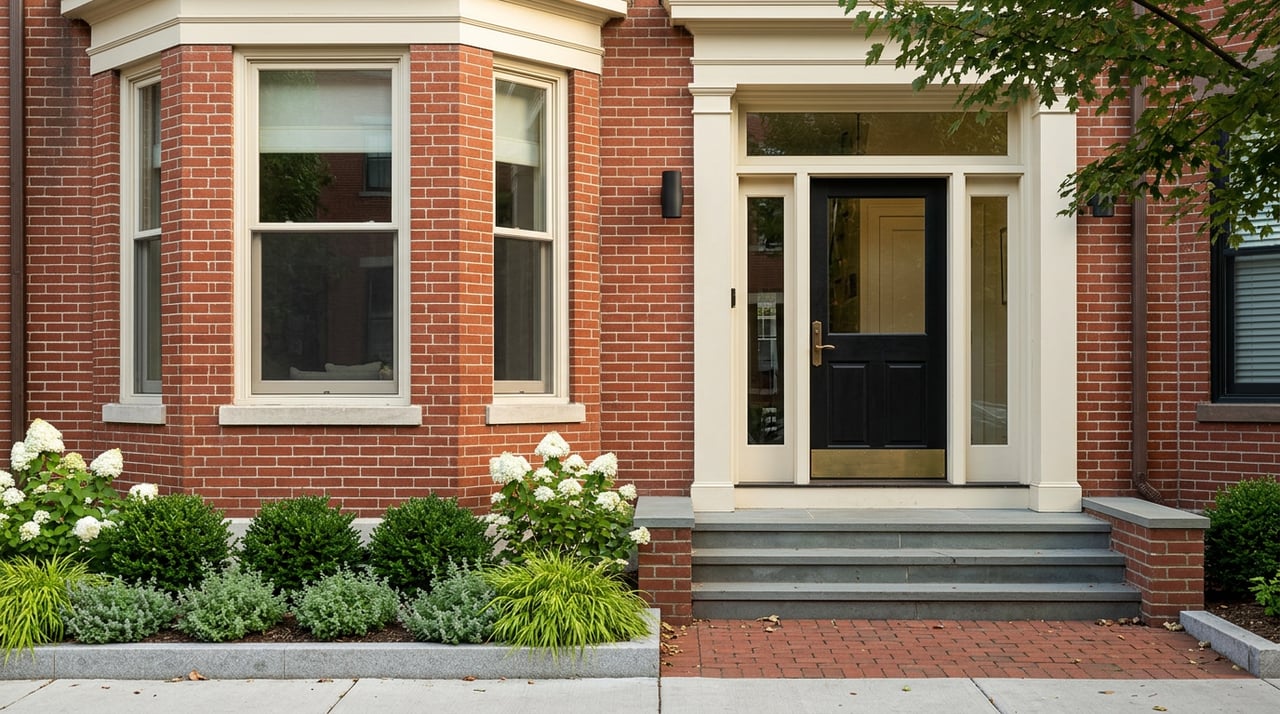
Back Bay is a protected historic district created through 19th-century landfilling, and exterior changes in the district require review by the Back Bay Architectural District Commission. In practical terms, that means the neighborhood has a strong visual identity shaped by late-19th- and early-20th-century architecture.
For you as a buyer, this usually translates to classic brownstones, older building details, and a more consistent exterior character. If you value historic charm and a traditional Boston look, Back Bay has a clear edge.
Boston planning materials describe the South Boston Waterfront as an evolving mixed-use district with office-to-residential conversions and new housing projects. That makes Seaport the stronger match if you are focused on newer construction and larger-scale contemporary housing options.
You may find that Seaport better suits a turnkey lifestyle. If building age, modern layouts, and a newer neighborhood feel matter most to you, Seaport often stands apart from Back Bay.
Market context can help you set expectations before you tour buildings.
According to Redfin neighborhood data from March 2026, Back Bay had a median sale price of $1,434,000, down 8.5% year over year, with a median 66 days on market. Seaport District had a median sale price of $2,977,500, up 26.7% year over year, with a median 93 days on market.
That means Seaport’s median sale price was about 2.1 times Back Bay’s in that snapshot. These are neighborhood-wide numbers across all home types, not condo-only medians, so they work best as directional context rather than a prediction for any specific unit or building.
A neighborhood median does not tell the whole story, but it does frame the conversation.
In Back Bay, your budget may open the door to a more established location and historic housing stock at a lower median price point than Seaport. In Seaport, you may be paying a premium for newer inventory, harbor proximity, and the appeal of a contemporary mixed-use district.
This is where building-by-building analysis matters. Condo fees, amenities, parking, views, and renovation level can shift value quickly in both neighborhoods.
Back Bay’s daily energy centers on a street-oriented experience. Boston describes Newbury Street as a mile-long, eight-block corridor filled with shops, salons, galleries, and restaurants, and the city highlights Newbury, Boylston, and Commonwealth as defining neighborhood features.
If you enjoy being able to step outside and walk through a mature urban neighborhood with established storefronts and public spaces, Back Bay delivers that feeling well. The experience is less about one big destination and more about a continuous city fabric.
Seaport has a more destination-driven feel. Boston has highlighted cultural destinations in the South Boston and Seaport area, including the ICA, Boston Children’s Museum, Boston Tea Party Museum, Community Boat Building, Artists for Humanity, Midway Studios, and the Fort Point Arts Community.
If you like a neighborhood that feels active, event-oriented, and tied to the waterfront, Seaport may fit your pace better. Its appeal often comes from the mix of newer development, cultural activity, and harbor-facing public spaces.
Back Bay’s closest major waterfront amenity is the Charles River Esplanade. Boston describes the Esplanade as a landmark and part of the Charles River Reservation, with public parkland along the river.
For condo buyers, that means Back Bay offers excellent access to riverfront recreation such as walking, biking, and running. If your ideal outdoor time involves park paths and river views, this can be a major plus.
Seaport offers more direct harbor access. The city notes that parts of Harborwalk in South Boston are open, Martin’s Park sits on the South Boston waterfront, and the South Bay Harbor Trail is being built as a 3.5-mile walking and biking connection to the waterfront.
If you want to live closer to Boston Harbor and spend time near the water itself, Seaport has the clearer advantage. The open-space conversation there is tied not only to recreation, but also to waterfront planning and access.
Back Bay has one of the stronger transit setups in Boston. The city says Back Bay Station serves the Orange Line, Commuter Rail, and Amtrak, while Arlington, Copley, and Hynes provide nearby Green Line access.
Boston also notes Logan Express service from Back Bay to Logan Airport. If your routine depends on rail connections, airport access, or flexible commuting options, Back Bay is hard to ignore.
Seaport’s transit network is improving, but it works differently. The city is advancing multimodal improvements between North Station, South Station, and Seaport, and Silver Line 4 and 5 connect Downtown, the Seaport, and South Station. Boston has also opened a commuter ferry connection between North Station and the South Boston Waterfront.
For you, that can mean strong convenience depending on where you work and how you commute. Still, Seaport tends to rely more on corridor-based service, transfers, and surface routes than Back Bay.
Climate resilience is not a side issue in either neighborhood. It should be part of your condo due diligence.
Redfin flags Back Bay with extreme flood risk over the next 30 years. On Redfin’s broader South Boston Waterfront page, 30% of properties are flagged at severe flood risk over the next 30 years.
That does not mean you should automatically rule out either neighborhood. It does mean you should review building-level risk, insurance implications, and resilience planning carefully before you make an offer.
The best choice is usually not just neighborhood versus neighborhood. It is building versus building, block versus block, and commute versus commute.
Two condos with the same price can offer very different value depending on layout, monthly costs, flood considerations, transit access, and how you actually live day to day. If you are comparing Back Bay and Seaport, it helps to evaluate the numbers and the lifestyle side by side before you move forward.
If you want a grounded, data-driven read on which Boston condo base fits your goals, the Batya & Alex Team can help you compare neighborhoods, buildings, and pricing with clear, high-touch guidance.

Our team will elevate your real estate experience, ensuring sellers shine and buyers win in Greater Boston's competitive market. Our dedication goes beyond deals—we're about making dreams a reality, building lasting bonds, and turning complex market challenges into rewarding outcomes for every client.