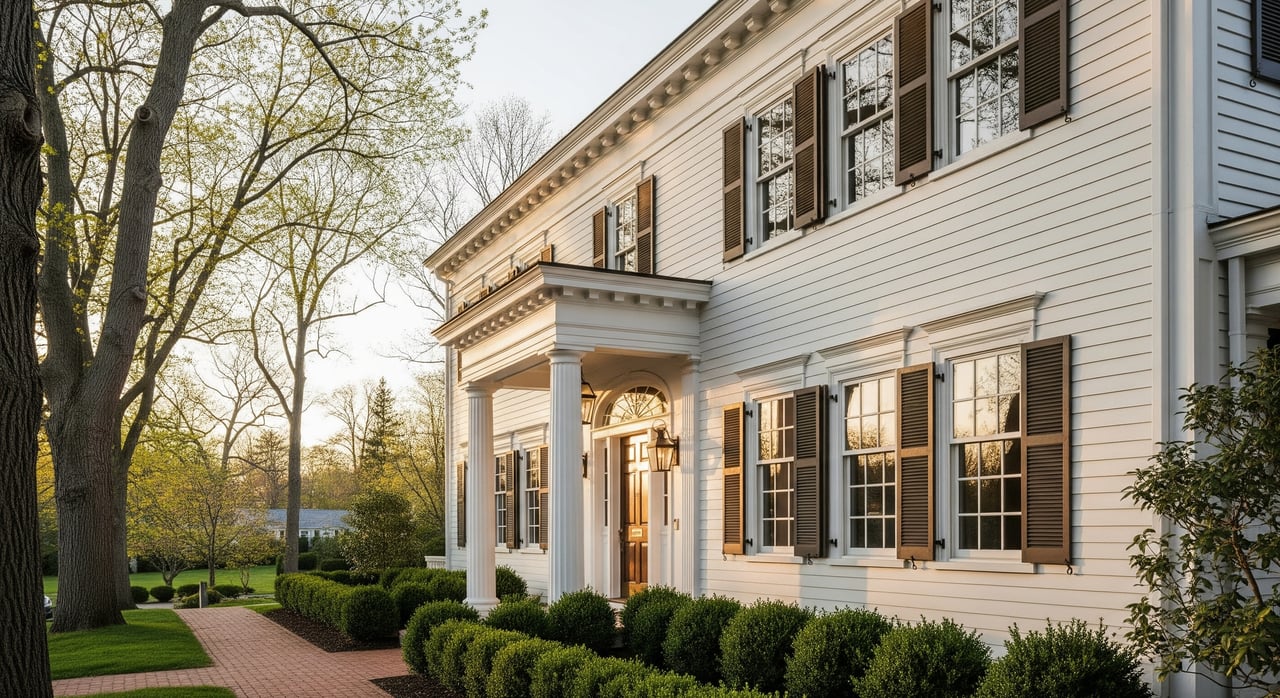
Wellesley Lead Paint Addendum Guide for Homebuyers
Buying a charming Wellesley Colonial or Cape built before 1978? Then the lead paint addendum is not just paperwork. It is your roadmap to disclosures, testing rights, and smart negotiation. You want a safe home and a smooth closing, without costly surprises. In this guide, you will learn what the addendum covers, how the 10-day inspection window works, the difference between inspection types, typical costs and timelines, and proven negotiation strategies in Wellesley. Let’s dive in.
The lead paint addendum applies to homes built before 1978. Under federal law, sellers must disclose any known lead-based paint or hazards and give you an EPA pamphlet titled “Protect Your Family From Lead In Your Home.” They must also share any records, such as prior inspection reports, abatement or clearance certificates, and contractor documentation.
You have the opportunity to conduct a lead paint inspection or a risk assessment. By default, you get 10 days to do this after you receive the addendum and disclosures. You can negotiate a different period, or waive it in writing, but most Wellesley buyers choose to use it on pre-1978 homes.
Start by checking the listing’s “year built” field and the town assessor’s records. Wellesley has many older single-family homes where the addendum will apply. If the property predates 1978, plan for lead due diligence as a standard part of your offer and inspection timeline.
A paint inspection identifies whether lead-based paint is present and where it is located. Inspectors often use XRF devices or lab analysis of paint chips. Choose this if you want a map of leaded surfaces across the house.
A risk assessment goes further. It evaluates whether lead paint, dust, or soil creates a current hazard and recommends actions to reduce risk. It typically includes dust wipe sampling and practical recommendations. Pick this if you want to know what should be fixed and why.
After remediation or renovation work, clearance testing confirms that dust lead levels meet regulatory thresholds. This is often required to document safe re-occupancy after abatement or interim controls.
Only certified lead inspectors and certified risk assessors should perform these services. For any renovation that disturbs paint in pre-1978 housing, contractors must follow the EPA Renovation, Repair and Painting rule and use lead-safe work practices. Ask for proof of certification.
Protect the lead inspection contingency in your offer and align it with other inspections. As soon as you receive the disclosure and pamphlet, get on a tester’s calendar. If availability is tight, negotiate an extension option in writing before your deadline. Avoid waiving the testing right on pre-1978 homes unless you have strong documentation.
You typically have the right to cancel within your contingency period or to negotiate. Common outcomes include seller-paid remediation before closing with a clearance certificate, a credit or price reduction so you complete work after closing, or an escrow holdback that funds work shortly after you move in. Clarify who pays, what work will be done, who performs it, and when clearance testing will be completed.
Conventional loans do not automatically require abatement. However, appraisers or underwriters may flag visible hazards that affect safety or value. Some federally insured programs, such as FHA, may require lead hazards identified in an inspection to be addressed before closing in certain situations. Loop in your lender early if you anticipate significant work. Insurance policies can vary on coverage related to lead, so ask your carrier for specifics.
If you plan to renovate a pre-1978 Wellesley home, ensure your contractor is certified under the EPA RRP rule and uses lead-safe methods. This includes containment, minimizing dust, and proper cleanup. DIY projects that disturb paint can create risks. When in doubt, hire certified professionals and schedule clearance testing after work that could generate lead dust.
Many Wellesley homes were built before 1978, so lead addenda and testing are routine. For local guidance, the Wellesley Health Department and the Massachusetts Department of Public Health offer information on rules, testing, and certification. When hiring, ask to see certification numbers for lead inspectors, risk assessors, and RRP-certified contractors. Your real estate attorney can also help ensure the contract language covers remediation, clearance, and payment responsibilities.
If you have children under six or are expecting, insist on hazard elimination or interim controls with clearance testing before move-in. A risk assessment can prioritize surfaces with the highest exposure potential, and clearance confirms that dust levels meet regulatory thresholds. Build the timeline into your offer so you do not feel rushed.
Buying a classic Wellesley home should feel exciting, not stressful. We help you protect your 10-day window, line up certified inspectors, assess bids, structure credits or escrow holdbacks, and verify clearance before closing when needed. Our hands-on approach and trusted partner network keep your transaction on track while you focus on the big picture.
Ready to talk strategy for a pre-1978 home in Wellesley or Greater Boston? Reach out to the Batya & Alex Team for calm, expert guidance from offer to close.



Our team will elevate your real estate experience, ensuring sellers shine and buyers win in Greater Boston's competitive market. Our dedication goes beyond deals—we're about making dreams a reality, building lasting bonds, and turning complex market challenges into rewarding outcomes for every client.