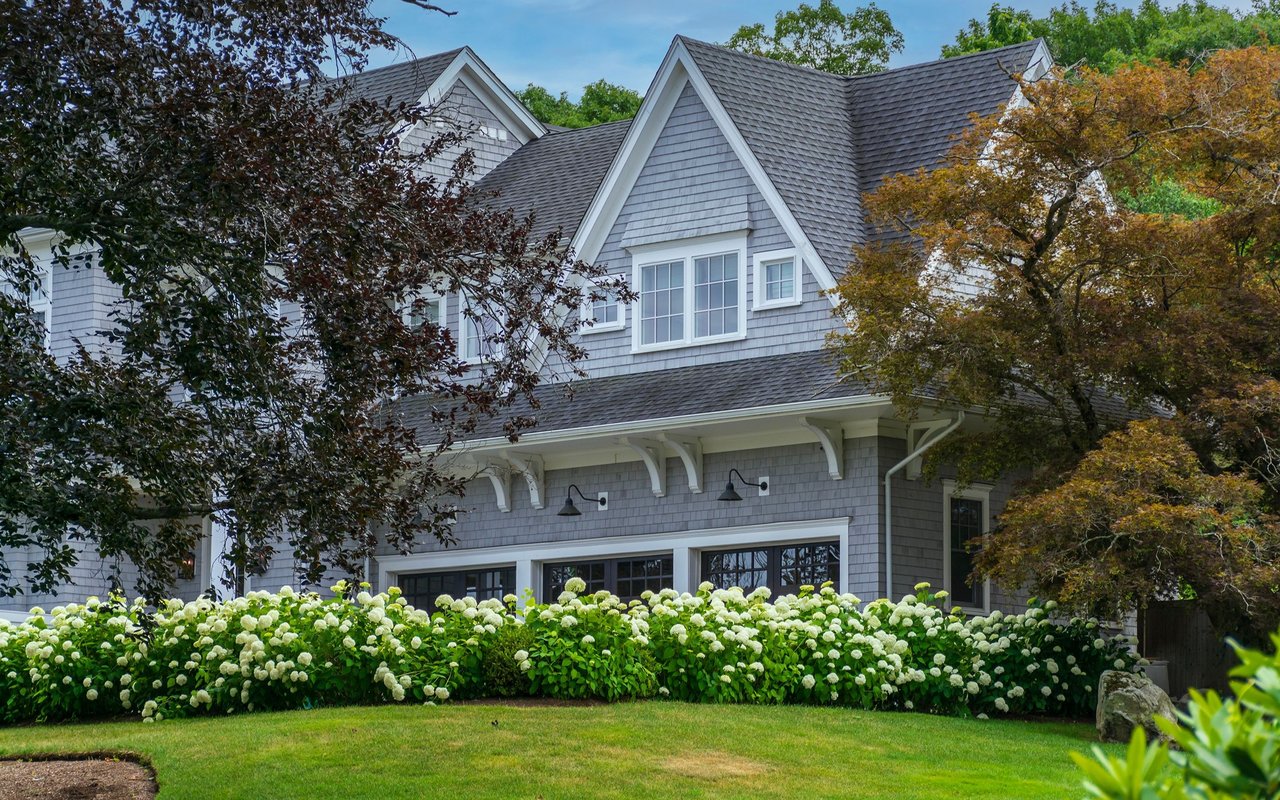
West Newton has a substantial village center, a strong architectural history, and residential neighborhoods with markedly different settings. Washington Street brings businesses and transportation together, while nearby side streets and West Newton Hill offer another scale of experience. It is a village where a walk can reveal both an active commercial corridor and quieter blocks of older homes. Buyers should explore several parts of West Newton before deciding what its name means to them.
West Newton grew along Washington Street, a route laid out in the seventeenth century. Railroad service helped the village expand, and it served as Newton's civic center from 1848 to 1931. Historic Newton describes its village center as one of the best-preserved in the city, with many buildings from the nineteenth and early twentieth centuries. The West Newton Village Center Historic District is listed on the National Register of Historic Places.
The village's story also includes the historic Black community around Curve Street and Myrtle Baptist Church, a center of community life since the nineteenth century. That history deserves a place in any account of West Newton. The village is more than an attractive collection of old buildings; generations of residents and institutions shaped it.
West Newton's center offers a variety of places to eat, shop, and handle errands. The scale is larger than Waban's or Lower Falls', giving residents more reasons to come into the center during a normal week. Yet the experience of living nearby depends on the precise block. A home close to Washington Street may make an evening outing easy, while one farther up a residential street may offer more separation from traffic.
Walk the route from a property to the places you would use. Notice sidewalks, crossings, hills, and where parking is available. Then return at another time of day. Village activity can be a welcome part of daily life, but the level of sound and movement around a home may change substantially between a weekday morning and an evening.
West Newton includes older houses with distinctive details, later properties, multifamily buildings, and condominiums. West Newton Hill is especially known for its residential architecture, but the village as a whole cannot be reduced to one house style or price point. A buyer seeking a period home should review the condition of roofs, foundations, windows, and systems as carefully as the original woodwork and exterior design.
Some homes have been renovated in stages. Ask which work was permitted and how additions relate to the original structure. Compare floor plans, storage, light, and outdoor space. A house that photographs beautifully may have a layout that does not suit your routine, while a less dramatic property may offer the flexibility you need. Lot grade and parking arrangements can also differ widely between the center and surrounding streets.
Historic designations vary by location and type. If you plan exterior work on a particular property, check its exact status and applicable review requirements rather than assuming every older home is subject to the same rules. Understanding those details early makes it easier to budget and plan realistically.
West Newton has a commuter rail stop on the Framingham/Worcester Line. For buyers considering transit, the current timetable and complete route to work matter more than proximity alone. Bus and road connections provide other options, but traffic varies with destination and hour. Test your normal trip before deciding whether a particular address is convenient.
Captain Ryan Park and nearby Newton open spaces add outdoor choices. Visit the parks and public places most relevant to your household to see how they fit your week.
Moments Café offers a coffee stop on Washington Street, while Blue Ribbon BBQ and other restaurants add dining options to the square. The center's shops and institutions make it worth exploring on foot, especially if walkability is high on your list.
West Newton Cinema is another recognizable village destination. Its presence, along with restaurants and small shops, gives the center activity beyond the workday. Check the current program and walk the surrounding blocks to see how entertainment, dining, and residential streets relate to one another.
Buyers should distinguish among the center, quieter residential blocks, and hill settings. Make a short list of priorities such as walking to businesses, a particular commute, architectural character, outdoor space, or a home that needs less work. Then compare properties against that list. The variety is a strength when you know what you are seeking, but it can make a broad search confusing.
Sellers should present the specific home and location, not just the West Newton label. Show how the rooms work, explain meaningful improvements, and describe nearby destinations accurately. A price supported by the property's condition, street, and current competition will serve better than a villagewide average.
Explore current West Newton listings below. Contact us to discuss a home or request a home valuation if you are planning to sell.
9,888 people live in West Newton, where the median age is 42 and the average individual income is $90,419. Data provided by the U.S. Census Bureau.
Total Population
Median Age
Population Density Population Density This is the number of people per square mile in a neighborhood.
Average individual Income
West Newton has 3,921 households, with an average household size of 2. Data provided by the U.S. Census Bureau. Here’s what the people living in West Newton do for work — and how long it takes them to get there. Data provided by the U.S. Census Bureau. 9,888 people call West Newton home. The population density is 9,035 and the largest age group is Data provided by the U.S. Census Bureau.
Total Population
Population Density Population Density This is the number of people per square mile in a neighborhood.
Median Age
Men vs Women
Population by Age Group
0-9 Years
10-17 Years
18-24 Years
25-64 Years
65-74 Years
75+ Years
Education Level
Total Households
Average Household Size
Average individual Income
Households with Children
With Children:
Without Children:
Marital Status
Blue vs White Collar Workers
Blue Collar:
White Collar:
Our team will elevate your real estate experience, ensuring sellers shine and buyers win in Greater Boston's competitive market. Our dedication goes beyond deals—we're about making dreams a reality, building lasting bonds, and turning complex market challenges into rewarding outcomes for every client.


