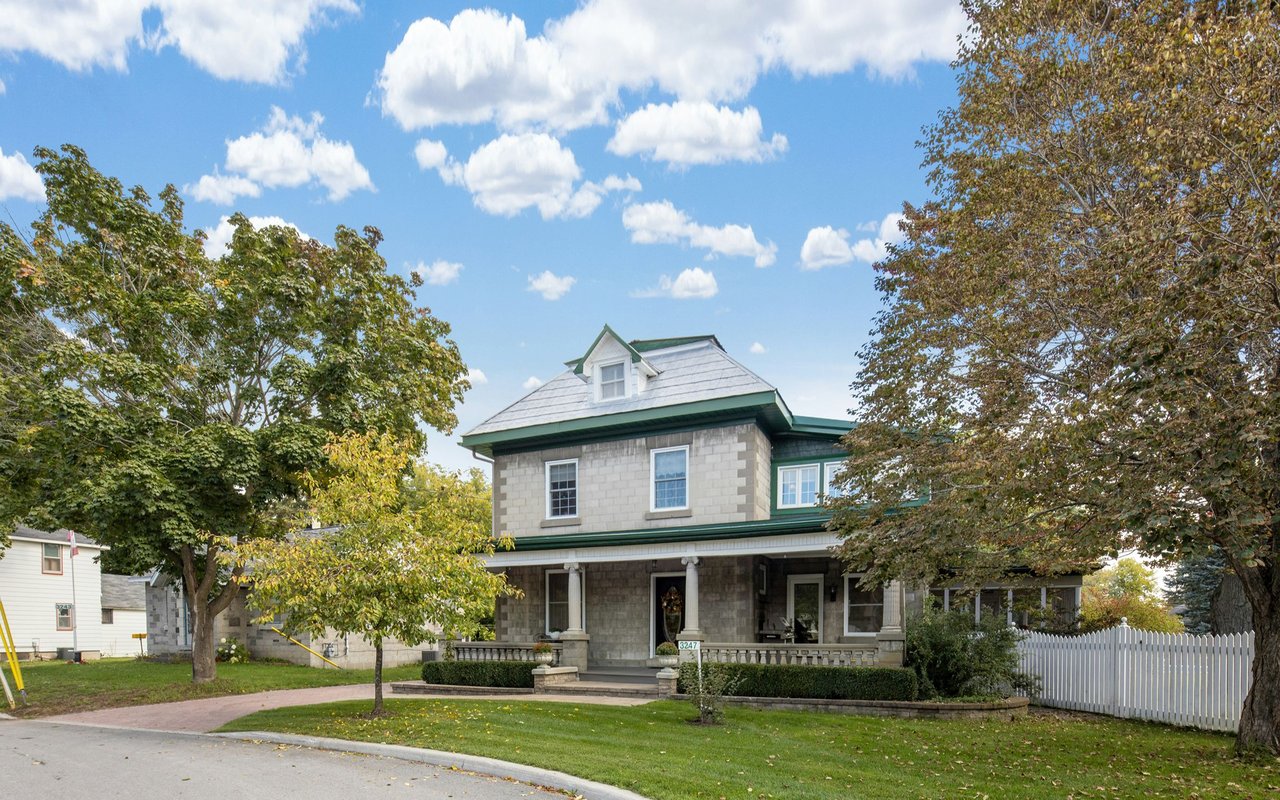
Waban brings together a compact village square, residential streets, and a Green Line stop. For buyers who want a recognizable local center without the scale of Newton's larger hubs, it offers an appealing pattern of daily life. Beacon Street businesses and Waban Common provide places to meet or run a small errand, while surrounding blocks show a range of house styles and settings. The exact address determines how easily those places become part of your routine.
Waban remained largely agricultural well into the nineteenth century. Historic Newton notes that fewer than twenty families owned its land as late as 1874. The Highland Branch railroad opened in 1886, and development soon followed. Investors laid out streets and house lots for residents who could commute toward Boston. The Waban Improvement Society, formed in 1889, helped shape the village through civic improvements and gatherings.
The name honors Waban, an Indigenous leader whose history predates the nineteenth-century suburban village. Historic Newton's interpretive signs offer a fuller account of that history and the later naming of the station. Taking time to read those signs provides context that a quick look at today's square cannot supply.
Waban Square is small enough to feel local. Its shops and services can support everyday stops, and Waban Common creates an open gathering point. Walk from a prospective house to Beacon Street to see whether the trip is as convenient as it appears online. The quality of the walk, crossings, and hills will affect whether you actually make it often.
Residential Waban includes houses from different eras, with Shingle, Colonial Revival, Craftsman, and later designs among the styles found in the village. Older homes may offer detail and character; updated properties may have very different interior layouts. Review the house's systems, renovation history, and usable space along with its appearance. A beautifully maintained exterior is only one part of a sound purchase decision.
Lot conditions vary as well. Mature trees can create a lovely setting, while grade and shade affect yard use. Notice the relationship to neighboring homes, driveway access, and the route to the street. If an addition or significant renovation is part of your plan, confirm what the property allows rather than relying on a general impression of the lot.
Waban Common is a recognizable neighborhood space, and other Newton parks and trails broaden outdoor options. The usefulness of any park depends on the route from a specific home. Visit at the hour you would normally use it. A short, pleasant walk can be more valuable in daily life than a larger destination that requires a drive.
Dining and café choices in the compact center change over time, while Newton Centre and Newton Highlands offer a wider selection a short trip away. The village can suit someone who likes having a few everyday stops close by without requiring a large restaurant district at the doorstep. Check current businesses when planning a visit and decide how the available options fit your own habits.
Waban Market on Windsor Road and Barry’s Village Deli nearby provide local stops, while the square’s small businesses give residents reasons to visit without a major excursion. The wider restaurant and café selection is in neighboring centers such as Newton Highlands and Newton Centre. Before choosing a home for its proximity to the square, walk the route from the property and check how Beacon Street crossings, traffic, and the trip to the Green Line fit your routine.
Barry’s Village Deli is one of the established food stops in Waban Square. Pair a visit with a walk to the station and Waban Common. You will get a better sense of the center’s compact scale and whether its few everyday destinations are enough for your routine.
The compact square also makes it possible to combine small errands: a deli stop, a market visit, and a trip on the Green Line can happen in one outing. That convenience is most meaningful for homes with an easy walking route. Explore the residential streets on either side of Beacon Street to see how crossing and distance affect the experience.
Waban station is on the Green Line D branch. For some residents, that provides a useful route toward Boston; for others, driving or a different connection may be more practical. Check current schedules and the complete door-to-door trip. A home within Waban is not automatically an easy walk to the station, and a route that includes a busy crossing deserves a closer look.
A buyer may choose Waban for the combination of village center and residential setting, but the best fit still comes down to a specific home. Compare proximity to transit with traffic, lot, layout, and condition. Tour the area at different times, including when local businesses are open and during a typical commute.
For sellers, show what makes the property distinct within Waban. Good photographs, a clear floor plan, documentation of updates, and a grounded price will help buyers see its value. Explore current Waban listings below, contact us about a home or street, or request a home valuation if you are considering selling.
5,901 people live in Waban, where the median age is 48.4 and the average individual income is $130,948. Data provided by the U.S. Census Bureau.
Total Population
Median Age
Population Density Population Density This is the number of people per square mile in a neighborhood.
Average individual Income
Waban has 2,027 households, with an average household size of 2.87. Data provided by the U.S. Census Bureau. Here’s what the people living in Waban do for work — and how long it takes them to get there. Data provided by the U.S. Census Bureau. 5,901 people call Waban home. The population density is 3,842 and the largest age group is Data provided by the U.S. Census Bureau.
Total Population
Population Density Population Density This is the number of people per square mile in a neighborhood.
Median Age
Men vs Women
Population by Age Group
0-9 Years
10-17 Years
18-24 Years
25-64 Years
65-74 Years
75+ Years
Education Level
Total Households
Average Household Size
Average individual Income
Households with Children
With Children:
Without Children:
Marital Status
Blue vs White Collar Workers
Blue Collar:
White Collar:
Our team will elevate your real estate experience, ensuring sellers shine and buyers win in Greater Boston's competitive market. Our dedication goes beyond deals—we're about making dreams a reality, building lasting bonds, and turning complex market challenges into rewarding outcomes for every client.


