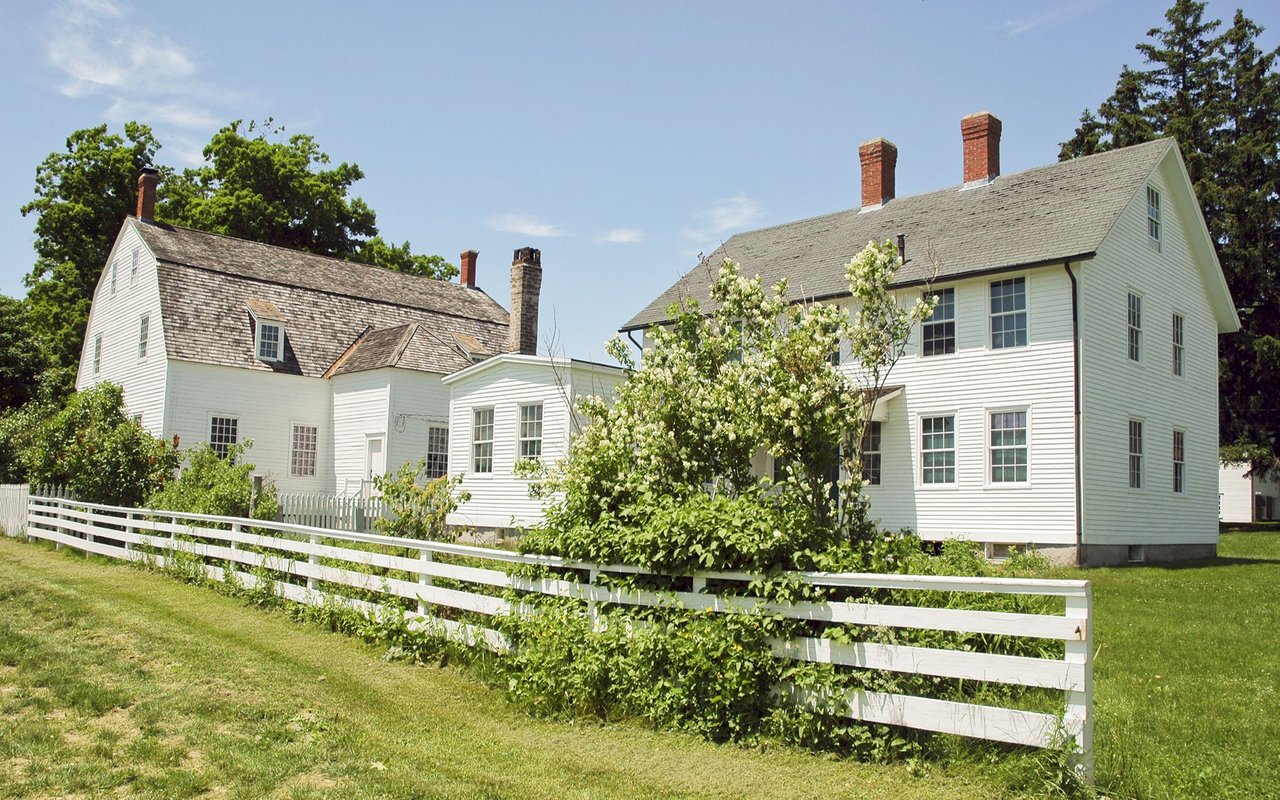
Oak Hill covers a part of southern Newton where residential settings and green space are prominent. It does not revolve around a large, busy shopping street. Instead, the village includes distinct areas, including Oak Hill Park, whose planned postwar streets tell an unusual Newton story. Buyers who want more space between the pace of home and the activity of a commercial center may find this area appealing, but the exact property still determines access to parks, shops, and commuting routes.
After World War II, returning veterans faced a severe shortage of housing. Newton responded by developing Oak Hill Park as a new neighborhood, with 412 houses, a shopping center, and a school. The city financed the project itself, a notable local response to a national problem. Historic Newton places Oak Hill Park near the Boston boundary, with the Charles River to the west and Dedham Street to the east.
That planned origin helps explain the neighborhood's street pattern and housing scale. It also distinguishes Oak Hill Park from older Newton villages that formed around railroad stations or nineteenth-century mills. Oak Hill as a whole extends beyond that one development, so a home labeled “Oak Hill” may have a different age, lot, and setting from one inside the park neighborhood.
Oak Hill offers varied housing. Some homes began as modest postwar properties and have been enlarged or reworked; others reflect different periods of construction. If you are comparing them, focus on usable space rather than the original footprint or current bedroom count alone. A thoughtful addition can transform a house, while an awkward one can leave circulation, light, or storage unresolved.
Ask when work was completed and whether permits and plans are available. Consider the roof, heating and cooling, insulation, windows, and any basement space alongside visible finishes. A home with a larger yard may offer room for outdoor activities, but lot shape, grade, trees, and setbacks affect what can actually be done with it. If a future expansion is important, consult the relevant professionals before making it part of your purchase assumptions.
The feel of a street deserves equal attention. Walk around the block and note traffic, sidewalks, and the distance to destinations you would use. Oak Hill Park's planned pattern has its own rhythm; nearby streets may be less uniform. One visit to one property will not capture the full range of settings within the village.
The southern part of Newton offers ways to reach Nahanton Park and other outdoor spaces, including areas near the Charles. Outdoor access should be assessed from the specific home: a route that looks short on a map may involve a main road or an inconvenient crossing. Visit the park or trail you would use regularly and see whether it feels like a realistic part of your week.
Oak Hill Pizza on Saw Mill Brook Parkway is a local option, though the village has fewer cafés and restaurants than the larger Newton centers. That may be a good trade for a buyer prioritizing a residential environment. For a coffee stop, dinner, or a wider choice of shops, residents can travel to other Newton centers and nearby communities. Consider the actual time and route for the errands that matter most to you.
A commute from Oak Hill can differ sharply by destination. Before choosing a home, test the route at the hour you would normally travel. Look at the road access from the driveway and whether the trip to your usual errands feels simple.
Driving is important to many Oak Hill routines. Routes toward other parts of Newton, Boston, and neighboring communities can be practical, but travel times depend heavily on the hour and destination. Public transit options vary within the village. If a commute is central to your decision, test it from the address you are considering and check the current bus or rail connection rather than relying on a citywide description.
Oak Hill's quieter commercial pattern also means that a café or restaurant outing may lead to another Newton center. Try that trip from a prospective home before deciding whether the tradeoff suits you.
Buyers should decide what they want from a southern Newton location: a particular residential setting, a manageable house, more outdoor space, or access to a specific route. Compare properties across those goals. A lower asking price may come with renovation needs; a larger renovated house may have a very different site and street position. Each deserves its own assessment.
For sellers, explain the home's improvements and the way its space works today. If a postwar house has been expanded, show buyers the floor plan and document the changes. Strong photography should include the yard and street setting as well as the interiors. Price should reflect condition and usable space, not simply the original model or a broad Oak Hill average.
Explore current Oak Hill listings below. Contact us to discuss a particular home or request a home valuation if you are preparing to sell.
6,056 people live in Oak Hill, where the median age is 51 and the average individual income is $104,163. Data provided by the U.S. Census Bureau.
Total Population
Median Age
Population Density Population Density This is the number of people per square mile in a neighborhood.
Average individual Income
Oak Hill has 2,111 households, with an average household size of 3. Data provided by the U.S. Census Bureau. Here’s what the people living in Oak Hill do for work — and how long it takes them to get there. Data provided by the U.S. Census Bureau. 6,056 people call Oak Hill home. The population density is 4,789 and the largest age group is Data provided by the U.S. Census Bureau.
Total Population
Population Density Population Density This is the number of people per square mile in a neighborhood.
Median Age
Men vs Women
Population by Age Group
0-9 Years
10-17 Years
18-24 Years
25-64 Years
65-74 Years
75+ Years
Education Level
Total Households
Average Household Size
Average individual Income
Households with Children
With Children:
Without Children:
Marital Status
Blue vs White Collar Workers
Blue Collar:
White Collar:
Our team will elevate your real estate experience, ensuring sellers shine and buyers win in Greater Boston's competitive market. Our dedication goes beyond deals—we're about making dreams a reality, building lasting bonds, and turning complex market challenges into rewarding outcomes for every client.


