Nonantum has a personality shaped by its industrial past, its close-knit streets, and a long history of immigrant communities. Many people also know it as “the Lake,” a name connected to a former pond that once occupied part of the area. Compared with some of Newton's more spread-out residential villages, Nonantum feels compact and active. Its local businesses and housing variety make it worth exploring on its own terms rather than expecting every Newton village to look alike.
The Charles River supported industry here for generations. Historic Newton records a paper mill established near Bridge Street in 1778, followed by production of cotton, woolens, and rope. The Nonantum Worsted Company eventually gave the village its name. Housing, churches, and shops developed as workers and their families arrived. Irish, French Canadian, Italian, and Jewish residents were among the communities that shaped Nonantum.
Silver Lake, the pond behind the nickname, was later filled and developed, and most factories closed in the early twentieth century. Yet the village's history remains visible in its denser street pattern and the relationship between homes and local businesses. Its Italian-American heritage remains an important part of the neighborhood's identity. A walk through Nonantum reveals a living community, not simply a set of historic facts.
Nonantum's compact layout can make neighborhood errands and casual stops part of the routine. Depending on the address, local shops and services may be within a comfortable walk. That opportunity is property-specific: traffic, crossings, and sidewalk routes all matter. Visit the blocks around a prospective home and see which destinations feel genuinely convenient.
The village's energy may appeal to buyers who want an active street scene and a sense of neighborhood continuity. Others may prefer a quieter block or more outdoor separation. Nonantum includes different settings, so avoid judging it from one intersection. Spend time on the residential streets as well as the commercial corridors, during the week and on a weekend if possible.
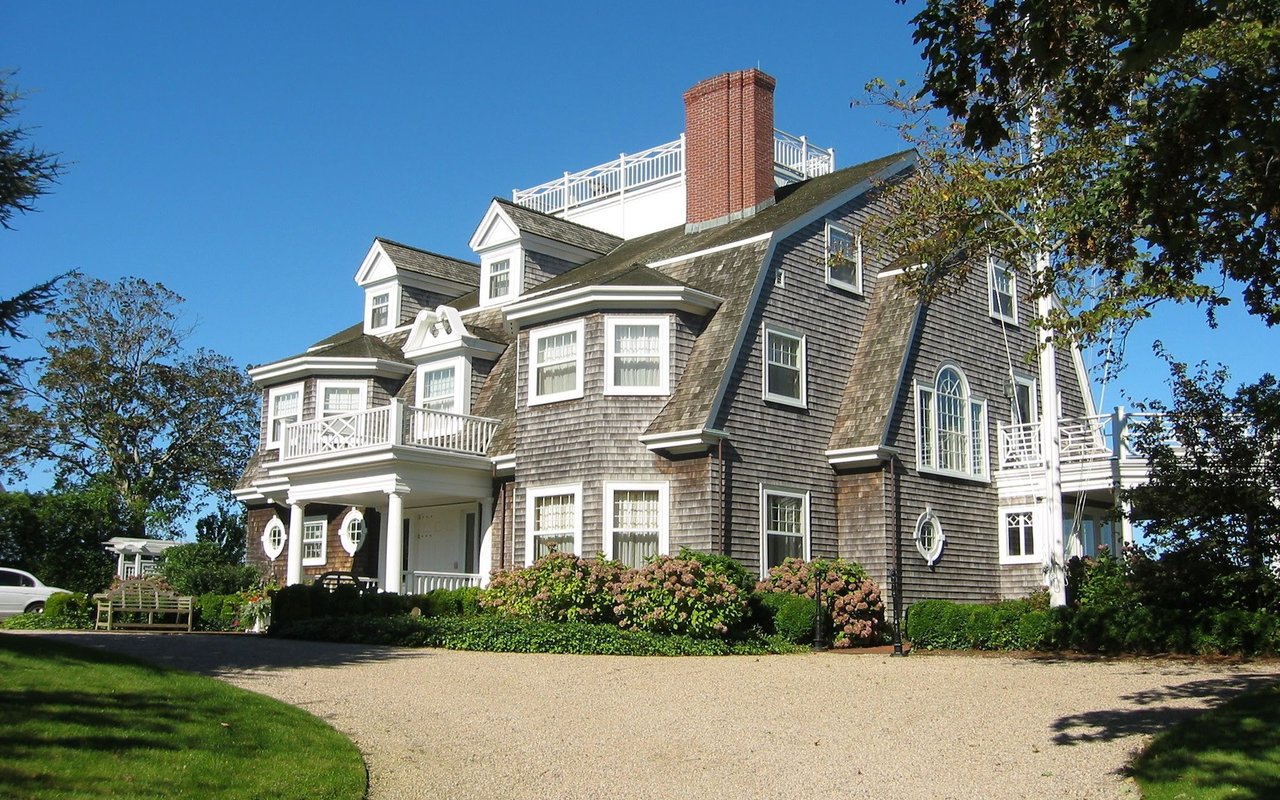
The housing stock is varied and often closer together than in Newton's lower-density areas. Buyers may find older single-family homes, multifamily properties, condominiums, and houses altered over time. That mix creates opportunities for different budgets and living arrangements, but it also makes due diligence important. Verify the legal use of a property, the configuration of any separate units, and the status of significant work rather than relying only on a listing description.
Parking can be an important practical consideration. Count the spaces that belong to a property and see how they function for the household you expect to have. Look at storage, outdoor space, privacy, and how neighboring buildings affect light. In an older home, review heating, roofing, drainage, and other major components as carefully as you would in any part of Newton.
If you are considering a multifamily purchase, evaluate rents, expenses, occupancy, and applicable requirements with the appropriate professionals. A flexible building can be attractive, but its financial and legal details matter. Even for an owner-occupied home, understanding the property rather than the village stereotype leads to a better decision.
Nonantum's industrial story began along the Charles, and the river remains part of the wider landscape. Coletti-Magni Park and nearby public spaces offer places to get outside, though the best route depends on the address. Visit the parks you expect to use and notice whether the trip is easy on foot. A quick drive to a larger outdoor destination may suit one household; another may want a park within a short walk.
Road connections support travel toward other parts of Newton and neighboring communities. Public transit options should be checked for the specific route and destination. Because Nonantum does not feel like a rail-centered village, buyers should be especially careful about assuming that a Newton address means a short walk to a station. Make the actual commute before you decide.
Fiorella's Cucina on North Street is a longstanding restaurant option, and smaller local businesses add to the village's everyday character. If a nearby restaurant is important, walk the actual route and see how the crossings and traffic feel.
Buyers should decide which aspects of Nonantum are priorities: neighborhood activity, a particular housing type, nearby businesses, or a convenient route to work. Compare properties on their own merits. A well-maintained home on a street that fits your routine can be more valuable to you than a larger home with a less suitable setting.
Sellers should present the property clearly and accurately. Show its layout, parking, outdoor area, improvements, and any legally recognized units. Buyers considering older or multifamily homes will ask detailed questions; having records and a thoughtful pricing strategy ready can help them move forward with confidence.
Browse current Nonantum listings below. Contact us for help evaluating a particular property or request a home valuation if you are preparing to sell in the village.
11,238 people live in Nonantum, where the median age is 41 and the average individual income is $71,506. Data provided by the U.S. Census Bureau.
Total Population
Median Age
Population Density Population Density This is the number of people per square mile in a neighborhood.
Average individual Income
Nonantum has 4,572 households, with an average household size of 3. Data provided by the U.S. Census Bureau. Here’s what the people living in Nonantum do for work — and how long it takes them to get there. Data provided by the U.S. Census Bureau. 11,238 people call Nonantum home. The population density is 10,428 and the largest age group is Data provided by the U.S. Census Bureau.
Total Population
Population Density Population Density This is the number of people per square mile in a neighborhood.
Median Age
Men vs Women
Population by Age Group
0-9 Years
10-17 Years
18-24 Years
25-64 Years
65-74 Years
75+ Years
Education Level
Total Households
Average Household Size
Average individual Income
Households with Children
With Children:
Without Children:
Marital Status
Blue vs White Collar Workers
Blue Collar:
White Collar:
Our team will elevate your real estate experience, ensuring sellers shine and buyers win in Greater Boston's competitive market. Our dedication goes beyond deals—we're about making dreams a reality, building lasting bonds, and turning complex market challenges into rewarding outcomes for every client.


