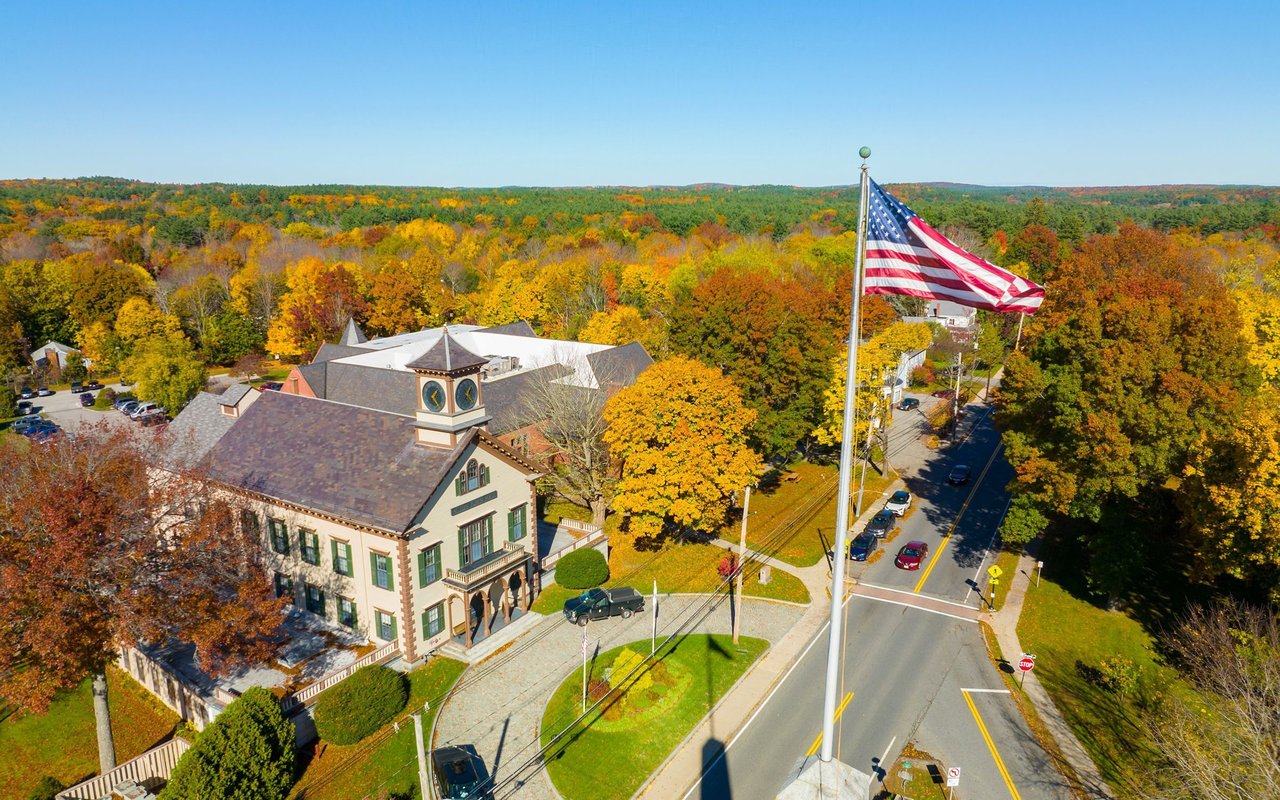
Newton Corner sits at a gateway between Newton and Boston. Its history began earlier than that of many other Newton villages, and its present-day streets reflect successive changes in transportation, commerce, and housing. It has an active village center, a range of residential properties, and convenient regional connections. It also has traffic patterns that deserve careful attention when choosing a home. Understanding the exact block is essential here.
Historic Newton identifies Newton Corner as the city's first village. Early settlement grew along the road toward Boston, where farm wagons and travelers supported small shops and homes. The railroad arrived in 1834 and helped reshape the area as a suburb. A much later change, the Massachusetts Turnpike Extension, altered the village's built environment in the 1960s. Those different eras help explain why Newton Corner can feel unlike a village that grew around a compact rail stop and remained largely unchanged.
The history is visible in fragments rather than in one uniform streetscape. Older houses and institutions coexist with busy roads, later buildings, and commercial activity. That mixture is part of the village's identity. It also means a broad statement about “the neighborhood” rarely tells a buyer enough about a particular address.
Newton Corner has a larger village hub with businesses and services, but quieter residential streets are nearby. A property close to a main road can provide quick access to destinations while feeling different from a home tucked into a side street. Walk a few blocks in several directions when you visit. Notice the transition between commercial and residential areas, the ease of crossings, and the amount of traffic you can hear from the yard and inside the house.
The village's proximity to Boston is useful for many routines, but travel convenience should be tested rather than assumed. Driving time changes with traffic; a bus connection depends on the current route and schedule. If you expect to commute regularly, make the trip at the time you would normally leave. That simple exercise often tells you more than a broad claim about being “minutes from” a destination.
The housing inventory includes properties built in different periods, with different layouts, lot sizes, and levels of updating. Some buyers are drawn to older architectural details. Others prefer a home that needs less immediate work or offers a more flexible floor plan. Neither approach can be judged from age alone. Review the condition and documentation of improvements, including major systems and any additions.
Pay particular attention to the site. A house may have attractive interior space but limited parking or outdoor privacy. Another may have a useful yard and a quieter setting but require renovation. Consider windows and outdoor areas at several times of day if road exposure is a concern. A brief showing may not capture how a location feels during the morning or evening rush.
Newton Corner's value is not limited to access out of town. Local businesses and Farlow Park support everyday routines, while nearby Newton villages offer additional restaurants, parks, and services. What matters is the route from the home to the destinations you expect to use. If you want to walk for coffee or a quick errand, check the sidewalks and crossings. If you will drive, consider parking and how you enter and leave the property.
Village centers change over time, so an individual shop should not be the sole reason to choose a home. The more durable factors are the street network, the residential setting, and the relative ease of reaching multiple parts of Greater Boston. Buyers who appreciate a connected, active environment may see an advantage here that they would not find in a more secluded part of Newton.
Corner Café is a local breakfast and lunch stop in Newton Corner. The combination of a local café, institutions, and busy connections shows why it is worth experiencing Newton Corner as a lived-in neighborhood, not merely a highway interchange.
For buyers, narrow the search by street conditions and property needs, not just by price and bedroom count. Tour Newton Corner at different hours. Compare a home's interior quality with its lot, road exposure, and parking. If you are considering improvements, determine which are cosmetic and which require permits, structural work, or a longer timetable. A strong purchase decision accounts for the complete experience of living at that address.
For sellers, local knowledge helps position a home accurately. Emphasize the features buyers can verify: a well-designed layout, meaningful renovations, usable outdoor space, or convenient access. Good marketing should neither ignore a busy setting nor allow it to obscure the home's strengths. Thoughtful pricing and clear information let buyers assess the property fairly.
Explore current Newton Corner listings below. Contact us to discuss a particular home or request a home valuation if you are considering selling.
5,723 people live in Newton Corner, where the median age is 42 and the average individual income is $102,547. Data provided by the U.S. Census Bureau.
Total Population
Median Age
Population Density Population Density This is the number of people per square mile in a neighborhood.
Average individual Income
Newton Corner has 1,929 households, with an average household size of 3. Data provided by the U.S. Census Bureau. Here’s what the people living in Newton Corner do for work — and how long it takes them to get there. Data provided by the U.S. Census Bureau. 5,723 people call Newton Corner home. The population density is 9,611 and the largest age group is Data provided by the U.S. Census Bureau.
Total Population
Population Density Population Density This is the number of people per square mile in a neighborhood.
Median Age
Men vs Women
Population by Age Group
0-9 Years
10-17 Years
18-24 Years
25-64 Years
65-74 Years
75+ Years
Education Level
Total Households
Average Household Size
Average individual Income
Households with Children
With Children:
Without Children:
Marital Status
Blue vs White Collar Workers
Blue Collar:
White Collar:
Our team will elevate your real estate experience, ensuring sellers shine and buyers win in Greater Boston's competitive market. Our dedication goes beyond deals—we're about making dreams a reality, building lasting bonds, and turning complex market challenges into rewarding outcomes for every client.


