Chestnut Hill is one of Newton's thirteen villages, but its name also appears in neighboring communities. That makes the precise address especially important. The Newton portion offers an unusual mix of notable residential architecture, wooded terrain, green space, shopping destinations, and access toward Boston. A buyer searching “Chestnut Hill” should confirm which municipality a property is in before drawing conclusions about services or local rules.
The Hammond family settled the eastern part of what is now Newton in the seventeenth century. Their name remains on Hammond Street, Hammond Pond, and Hammond Woods. The area developed more slowly than many other Newton villages because it was relatively isolated. Improved rail access in the nineteenth century changed that pattern, and land once held by the Hammond family became part of an ambitious plan for a community of country estates.
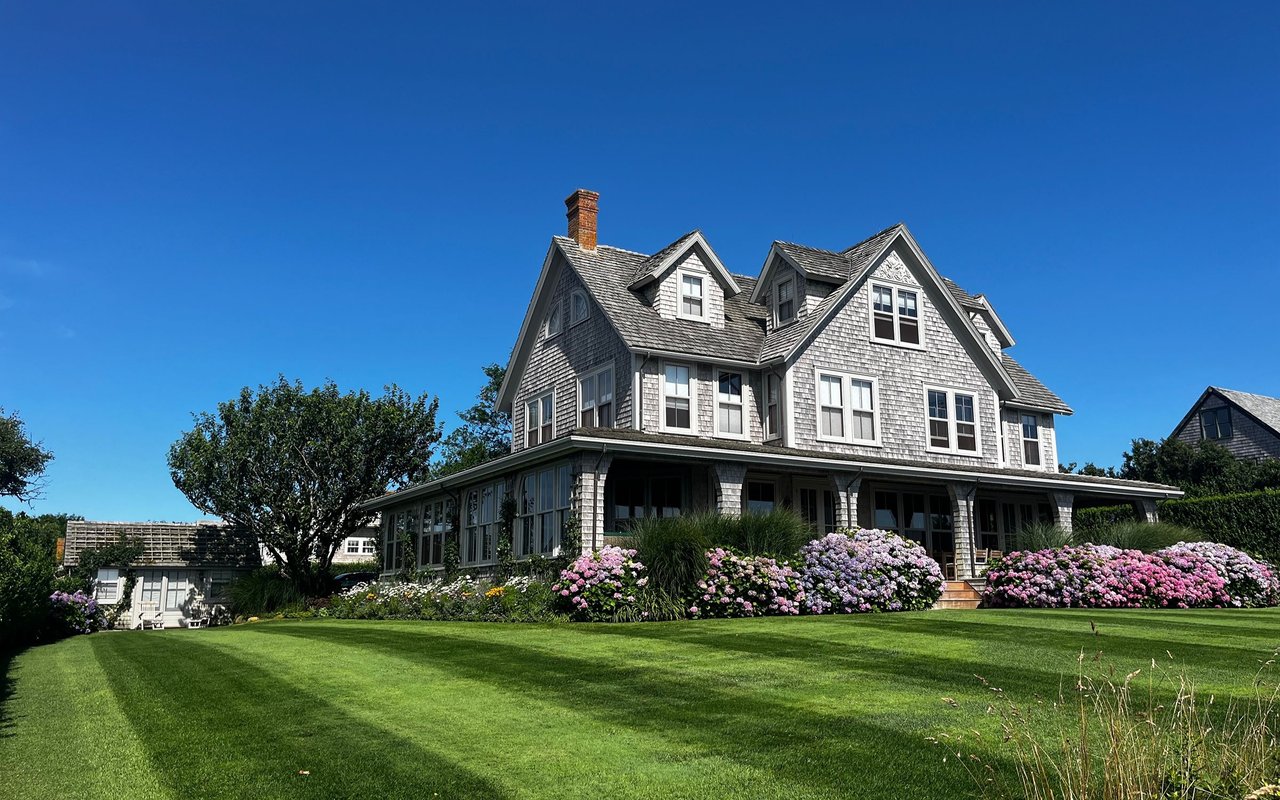
Much of Chestnut Hill's later growth occurred from the late nineteenth century into the early twentieth. Large lots and architect-designed homes responded to the rocky topography and mature trees. Colonial Revival, Georgian Revival, and Shingle style houses are all part of the architectural story. The local historic district preserves a portion of that setting; its boundaries should be checked for any particular property rather than assumed from the village name.
Chestnut Hill's landscape can feel different from the flatter, more compact village centers elsewhere in Newton. Wooded parcels, changes in elevation, stonework, and winding roads shape the view from many streets. The Webster Conservation Area extends between Newton Centre and Chestnut Hill and is among Newton's largest protected open spaces. Hammond Pond and nearby wooded areas also give residents opportunities to get outdoors.
A photograph of trees alone cannot convey how a home's setting works. When touring, look at the slope of the driveway, usable yard space, drainage, sunlight, and the walk from the property to a trail or other destination. Some buyers love a house nestled into a wooded site. Others want a level yard or a more direct walk to shops. Both can be found in the wider Chestnut Hill area, but they are not interchangeable.
Chestnut Hill draws attention for its historic houses, yet the inventory is not limited to grand estates. Different streets include properties of varied scale, age, and design. Some houses retain period interiors and exterior details; others have been remodeled to support modern living. A beautiful facade does not answer practical questions about systems, floor plan, maintenance, or the scope of prior work.
If you are considering a home in or near a historic district, confirm the applicable review requirements before planning exterior changes. The district designation does not cover every Chestnut Hill property. For any older house, investigate permits, condition, insulation, windows, and mechanical systems alongside the visual appeal. That work helps you understand the investment needed to make the home yours.
The Newton part of Chestnut Hill benefits from access to shopping, dining, medical and educational institutions, and routes toward Boston and other suburbs. Yet convenience depends on the exact block and destination. Some homes are close to a commercial corridor; others feel removed from it. A route that appears short on a map may involve a busy crossing or a hill that changes how often you would walk it.
Traffic can also vary sharply between a quiet residential street and a property near a major road. Visit a prospective home at different times and pay attention from both inside and outside. If a train or bus is central to your routine, check current service and the actual path from the front door rather than assuming all of Chestnut Hill has the same transit access.
For a different side of Chestnut Hill, The Street on Boylston Street offers Blue Bottle Coffee, Legal Sea Foods, and other dining and retail options near Hammond Pond. Confirm the municipal location of a property before assuming that these businesses are within walking distance.
The Chestnut Hill name spans Newton, Brookline, and Boston. On a property tour, confirm the municipality before comparing tax records, zoning, or neighborhood amenities. The shopping area may be nearby even when it is not part of the residential street you would call home.
For buyers, Chestnut Hill often starts as an aesthetic preference: the houses and mature landscape are compelling. The stronger decision comes from matching that appeal with your budget, maintenance tolerance, commute, and intended use of the property. Compare homes with similar settings and conditions, and allow for the cost and timing of any work you would undertake.
For sellers, effective marketing should show more than a picturesque exterior. Buyers need to understand how the house lives, the quality of updates, the grounds, and the precise location within Newton. Clear information about improvements and a realistic presentation of condition can build confidence, especially when a home has a complex history or distinctive architecture.
Explore current Newton Chestnut Hill listings below. Contact us about a property or request a home valuation if you are planning to sell.
5,959 people live in Chestnut Hill, where the median age is 35 and the average individual income is $87,223. Data provided by the U.S. Census Bureau.
Total Population
Median Age
Population Density Population Density This is the number of people per square mile in a neighborhood.
Average individual Income
Chestnut Hill has 986 households, with an average household size of 2. Data provided by the U.S. Census Bureau. Here’s what the people living in Chestnut Hill do for work — and how long it takes them to get there. Data provided by the U.S. Census Bureau. 5,959 people call Chestnut Hill home. The population density is 23,798 and the largest age group is Data provided by the U.S. Census Bureau.
Total Population
Population Density Population Density This is the number of people per square mile in a neighborhood.
Median Age
Men vs Women
Population by Age Group
0-9 Years
10-17 Years
18-24 Years
25-64 Years
65-74 Years
75+ Years
Education Level
Total Households
Average Household Size
Average individual Income
Households with Children
With Children:
Without Children:
Marital Status
Blue vs White Collar Workers
Blue Collar:
White Collar:
Our team will elevate your real estate experience, ensuring sellers shine and buyers win in Greater Boston's competitive market. Our dedication goes beyond deals—we're about making dreams a reality, building lasting bonds, and turning complex market challenges into rewarding outcomes for every client.


